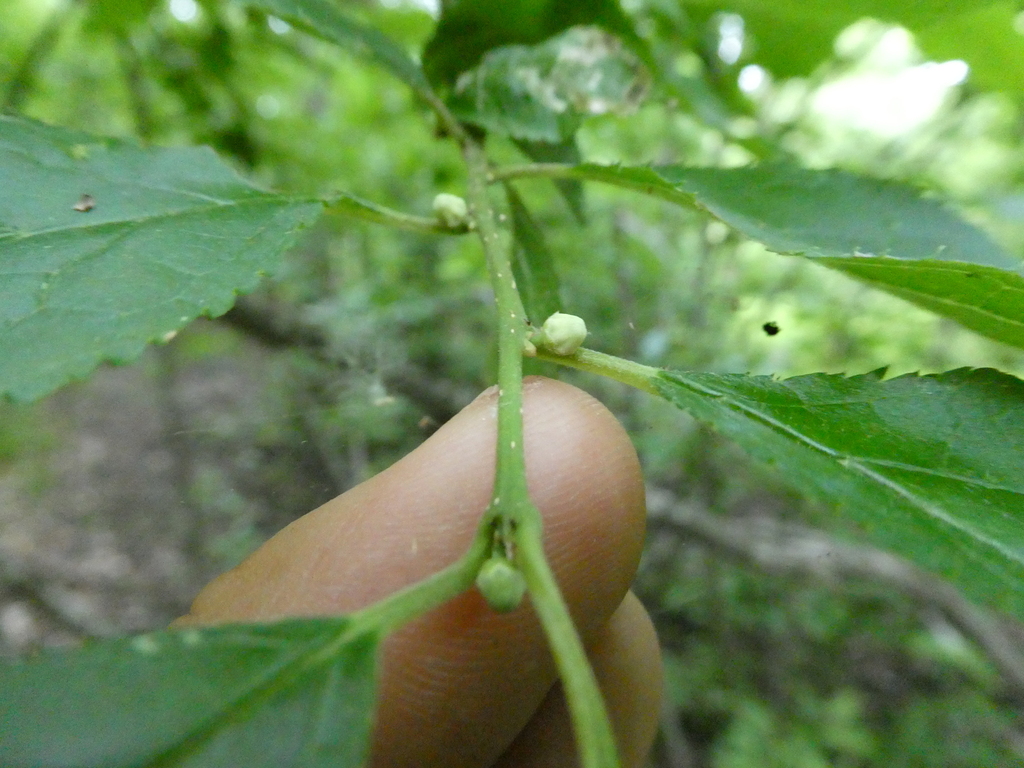
Ilex verticillata
- Origin
- North America
- Part used
- See detailed notebook
- Tradition
- Traditional ethnobotany
A shrub of the wetlands of North America, winterberry holly is distinguished by its clusters of scarlet berries that persist on bare branches all winter long. Amerindian nations, notably the Algonquian peoples, drew from it a bitter bark used in their traditional pharmacopoeias long before the arrival of European settlers.
Traditional uses
A traditional fever remedy
The bitter bark was traditionally boiled as a decoction and used as a fever-reducing tonic during feverish states, in the manner of other bitter barks of the continent.
Care for skin ailments
Externally, washes or compresses made from bark decoction were traditionally applied to wounds, rashes, and persistent skin ailments.
A digestive bitter tonic
Like many bitter barks, it was included in tonic preparations intended to stimulate the appetite and support digestion, taken at a low dose and occasionally.
An old vermifuge use
Some ethnobotanical sources report a traditional use of the bark as a vermifuge, a use that has now fallen out of favor in favor of better-documented approaches.
Before you use it
The berries are considered toxic and must never be ingested, particularly by children; ingesting them can cause vomiting and severe digestive trouble. The bark contains compounds whose therapeutic margin is poorly established: any internal use must be supervised by a health professional or an experienced herbalist. To be avoided in pregnant or breastfeeding women, as well as young children, for lack of sufficient safety data. Do not combine with other plants or treatments without professional advice, owing to the lack of studies on possible interactions.
The detailed notebook
- Prepared as a paste or decoction
- Traditional duration of use
- Known contraindications
- Related species and their uses
Where to find it
Partner herbalists — available with the detailed notebook.
Sources
PFAF