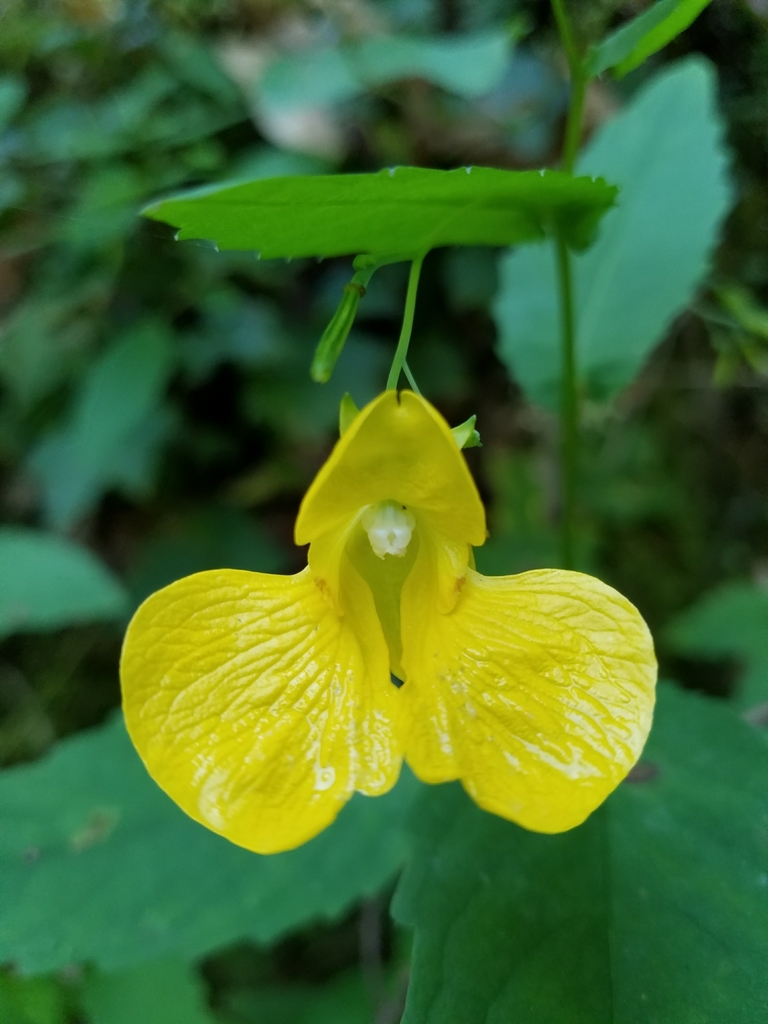
Pale Jewelweed
- Origin
- North America
- Part used
- Seeds/fruits
- Tradition
- Traditional ethnobotany
Unassuming in the humid woodlands of North America, pale jewelweed was known to Indigenous peoples long before the arrival of European settlers, who learned its use through contact with them. Its pods, which burst at the slightest touch to scatter their seeds, earn it the nickname "touch-me-not," while its sap was traditionally reserved for skin care.
Traditional uses
Soothing skin irritation
The fresh sap extracted from the stem and seeds was traditionally applied to nettle stings, itching, and minor skin irritation.
Care for mild fungal conditions
Indigenous healers used the plant's juice as a local application to soothe certain redness and itching attributed to skin fungi.
A traditional use as a light decoction
A diluted decoction from the seeds was sometimes used occasionally for its gentle effect on minor digestive discomfort, according to old folk uses.
Compresses after contact with stinging plants
Crushed leaves and sap were rubbed directly on the skin following contact with poison ivy, according to a practice widespread among Amerindians.
Before you use it
Avoid any prolonged or high-dose internal use, as the plant is poorly documented in terms of systemic toxicity. Reserve external use for small areas of skin and discontinue in case of an unusual reaction. Do not use in pregnant or breastfeeding women, for lack of sufficient data. Consult a health professional before any use, particularly internal, as this plant is not intended for routine self-medication.
The detailed notebook
- Prepared as a paste or decoction
- Traditional duration of use
- Known contraindications
- Related species and their uses
Where to find it
Partner herbalists — available with the detailed notebook.
Sources
PFAF, Wikipedia