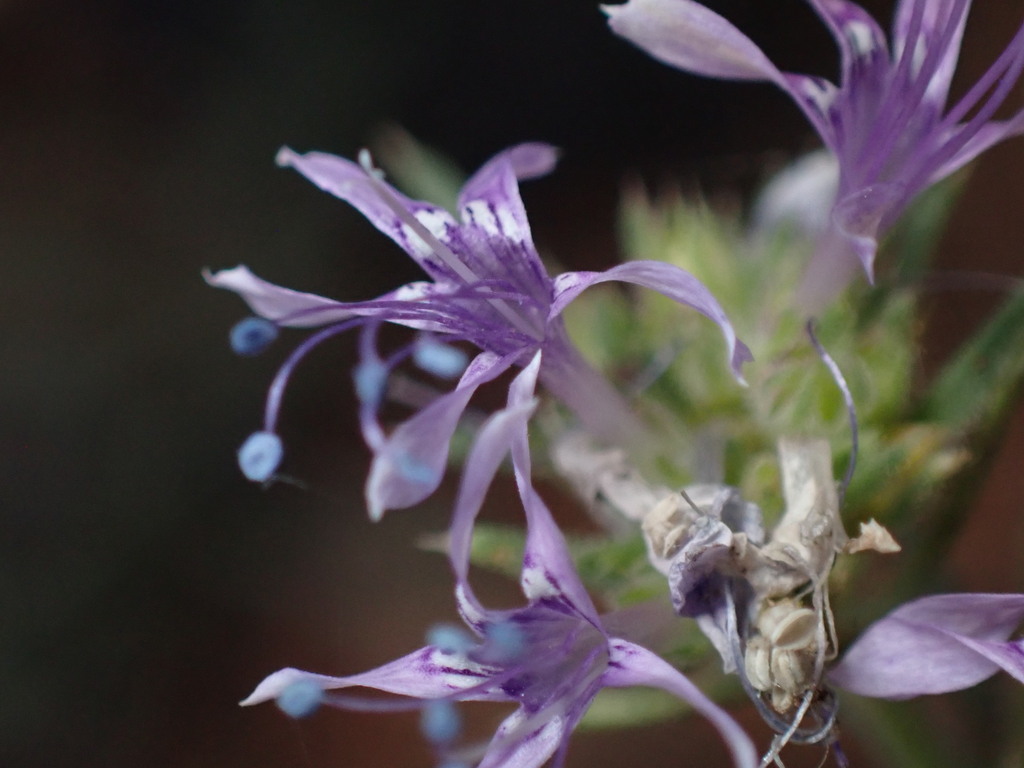
Ipomopsis multiflora
- Origin
- North America
- Part used
- Whole plant
- Tradition
- Traditional ethnobotany
On the high arid plateaus of the American Southwest, Ipomopsis multiflora unfurls its pale corollas among the stones and scrub. The Indigenous peoples of these regions, notably the Navajo, knew this unassuming plant and included it in their traditional pharmacopoeia, passed down orally through generations.
Traditional uses
Traditional support for the respiratory tract
The whole plant was used as an infusion to help with common respiratory ailments, according to uses reported by certain Amerindian traditions of the Southwest.
A traditional use for digestive trouble
Some ethnobotanical sources mention a use of the plant to ease digestive discomfort, as part of local remedies passed down orally.
An application against various pain
The whole plant, prepared as a decoction or application, is said to have been traditionally used to relieve certain bodily pain.
Use in ceremonial practices
Beyond its physical uses, Ipomopsis multiflora held a place in certain ritual and symbolic practices of the communities that lived alongside it.
Before you use it
A traditional use poorly documented by modern research: caution calls for consulting a health professional before any use. Avoid any use in pregnant or breastfeeding women, for lack of sufficient safety data. Do not give to young children. Do not exceed occasional, traditional uses; no dose can be guaranteed risk-free.
The detailed notebook
- Prepared as a paste or decoction
- Traditional duration of use
- Known contraindications
- Related species and their uses
Where to find it
Partner herbalists — available with the detailed notebook.
Sources
PFAF, Wikipedia