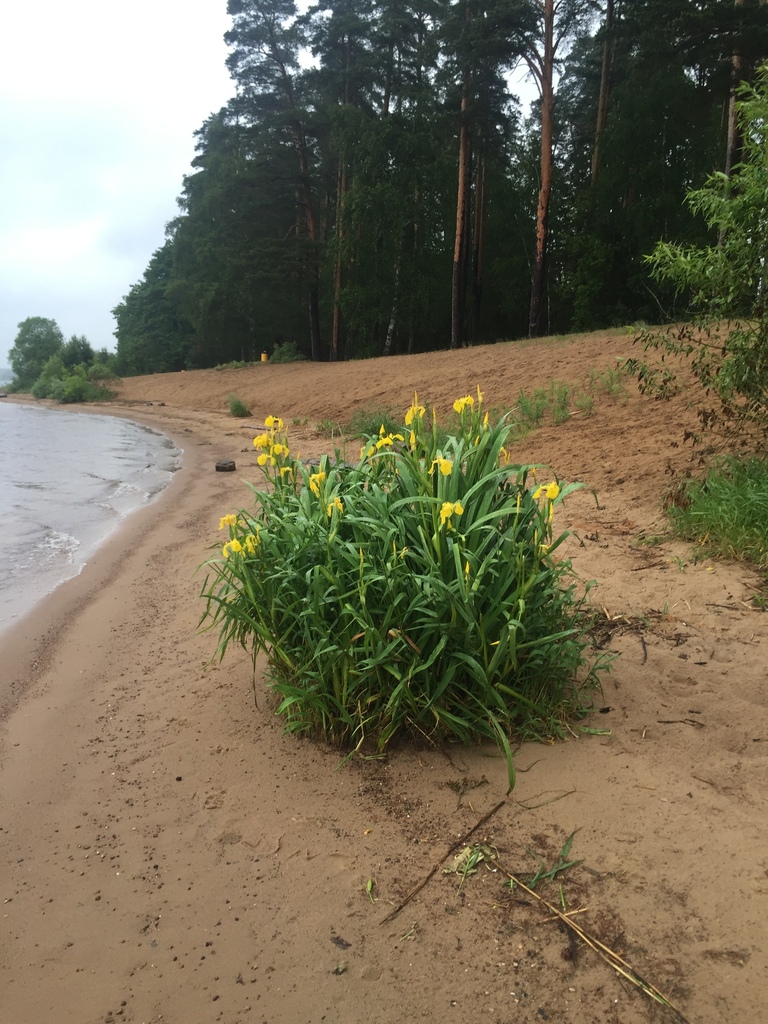
Iris pseudacorus
- Origin
- Europe
- Part used
- See detailed notebook
- Tradition
- Traditional ethnobotany
At the edge of Europe's ponds and ditches, yellow flag iris raises its golden blooms at the height of summer. The old herbalists knew this plant of still waters well; its acrid, tannin-rich root was used with caution in folk pharmacopoeia. Its closeness to toxic species and its high content of irritant compounds, however, made it a remedy reserved for experienced hands.
Traditional uses
Traditional astringent for mucous membranes
The dried rhizome, very rich in tannins, was used externally and in highly diluted preparations for its astringent properties, recognized in folk tradition.
Traditional care for minor wounds
As a poultice or a decoction applied locally, the root was traditionally used for its astringent properties on damaged skin.
An old country remedy
In rural Europe, the crushed rhizome went into traditional veterinary preparations, particularly for livestock, because of its purgative and astringent properties known to the old herbalists.
Traditional dye use
The rhizomes and flowers were traditionally used to prepare natural dyes, a well-documented use unrelated to any internal application.
Before you use it
The whole plant, and particularly the fresh rhizome, contains irritant substances that can cause nausea, vomiting, and severe digestive irritation if ingested; internal use should be left to a qualified professional. Prolonged contact with the sap or fresh rhizome can cause skin irritation; wearing gloves is recommended when harvesting. Strictly to be avoided in pregnant or breastfeeding women, as well as young children. Never confuse it with other wetland plants; if in doubt about identification, refrain from any harvesting or use.
The detailed notebook
- Prepared as a paste or decoction
- Traditional duration of use
- Known contraindications
- Related species and their uses
Where to find it
Partner herbalists — available with the detailed notebook.
Sources
PFAF, Wikipedia