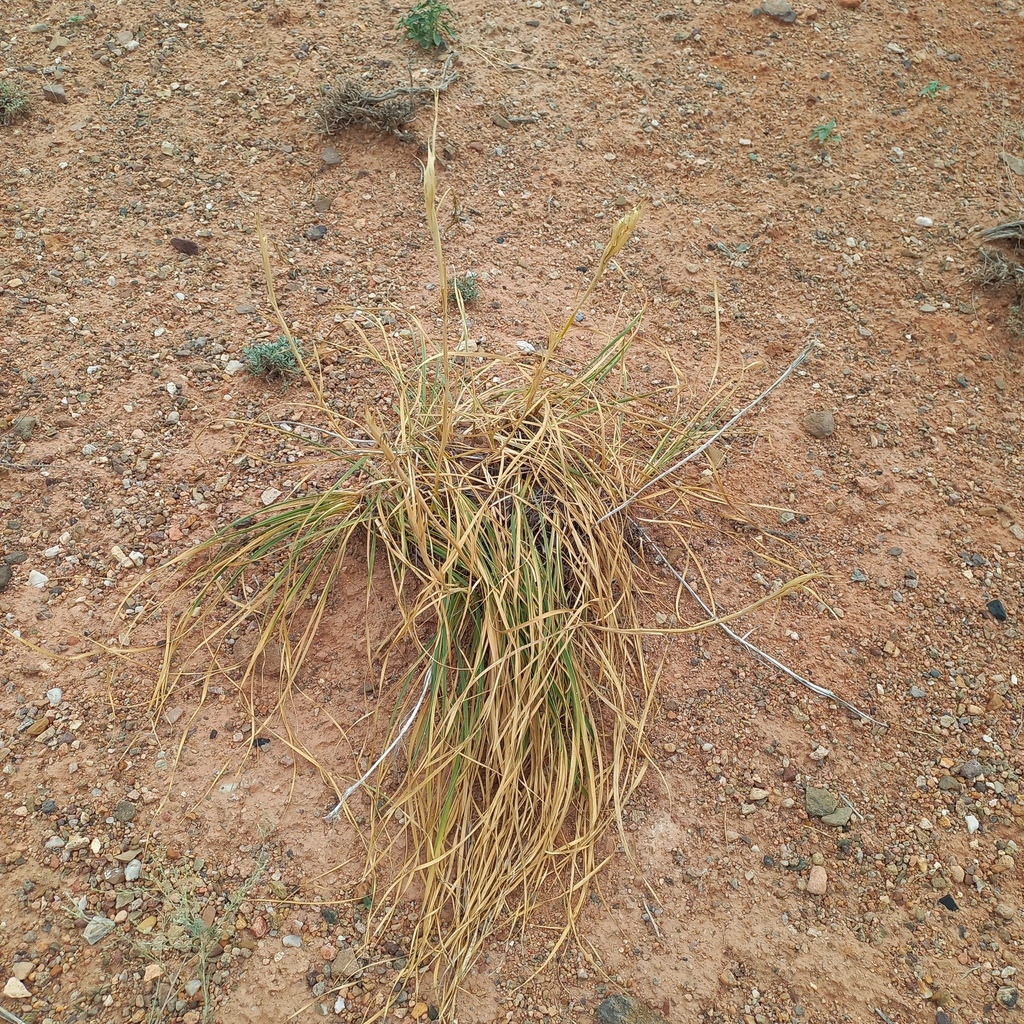
Iris songarica
- Origin
- Asia
- Part used
- Root
- Tradition
- Traditional ethnobotany
Iris songarica, an iris of the Central Asian steppes, grows on the arid high plateaus where traditional Asian herbalists gathered its knotty root. In old notebooks, it appears among the remedies reserved for stubborn pain and resistant inflammation, prepared with particular care given how potent its nature was judged to be. Its use belongs to a local tradition little known in the West, passed down orally from generation to generation.
Traditional uses
Relief of joint pain
The dried root was traditionally used as a poultice or diluted decoction to relieve painful joints and inflamed tissue.
Use in cases of swelling
Certain traditions report the external application of root-based preparations to reduce localized swelling.
Care for skin irritation
Used externally, the crushed root was included in preparations intended to calm certain skin irritation, always as a limited, supervised application.
A tradition against digestive heaviness
In certain regions of Central Asia, a very diluted decoction of the root was sometimes used with caution to help with difficult digestion.
What to know before use
The root of Iris songarica contains compounds that can irritate the mucous membranes and cause digestive trouble if poorly dosed: professional advice is essential before any internal use. Use not recommended for pregnant or breastfeeding women, or young children, in the absence of sufficient safety data. Do not use if undergoing medication treatment without the advice of a health professional, as interactions cannot be ruled out. Reserve external use for short applications and stop immediately if a skin reaction occurs.
The detailed notebook
- Prepared as a paste or decoction
- Traditional duration of use
- Known contraindications
- Related species and their uses
Where to find it
Partner herbalists — available with the detailed notebook.
Sources
PFAF, Wikipedia