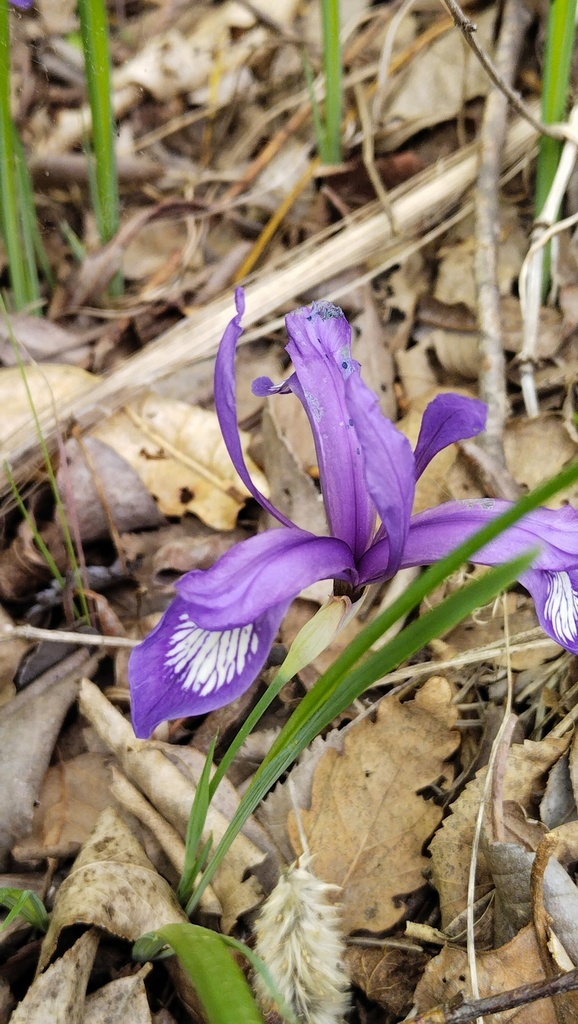
Iris uniflora
- Origin
- Asia
- Part used
- See detailed notebook
- Tradition
- Traditional ethnobotany
A discreet iris of Asia's steppes and undergrowth, Iris uniflora blooms briefly in spring on the high plateaus and in open forests. Traditional herbalists of Northeast Asia attributed to it virtues linked to eyesight and clarity of mind, though these uses have not been the subject of thorough studies in the West. Its very name, "single-flowered," recalls the simplicity of this plant, long reserved for local, little-known uses.
Traditional uses
Traditional eye baths
The rhizome, prepared as a diluted decoction, was traditionally used as an eye wash to soothe irritated or tired eyes.
Everyday eye care
Certain Asian folk practices associated the regular use of iris-based preparations with maintaining eyesight, following a preventive rather than curative logic.
Soothing compresses
Used externally, compresses soaked in rhizome decoction were sometimes applied to swollen eyelids or sensitive skin areas around the eyes.
A plant of clarity rituals
In certain local traditions, the single-flowered iris was symbolically associated with clarity of sight and mind, more so than with a codified therapeutic use.
What to know before use
The fresh rhizome can be irritating and is traditionally used only after drying and suitable preparation: never apply fresh material directly on or near the eyes. Eye use should be reserved for very diluted preparations, filtered with the greatest care, and never on an eye that is already damaged, infected, or painful. A scientifically poorly documented plant: seek the advice of a health professional before any use, particularly ophthalmological. Not recommended for pregnant or breastfeeding women, or young children, for lack of safety data.
The detailed notebook
- Prepared as a paste or decoction
- Traditional duration of use
- Known contraindications
- Related species and their uses
Where to find it
Partner herbalists — available with the detailed notebook.
Sources
PFAF, Wikipedia