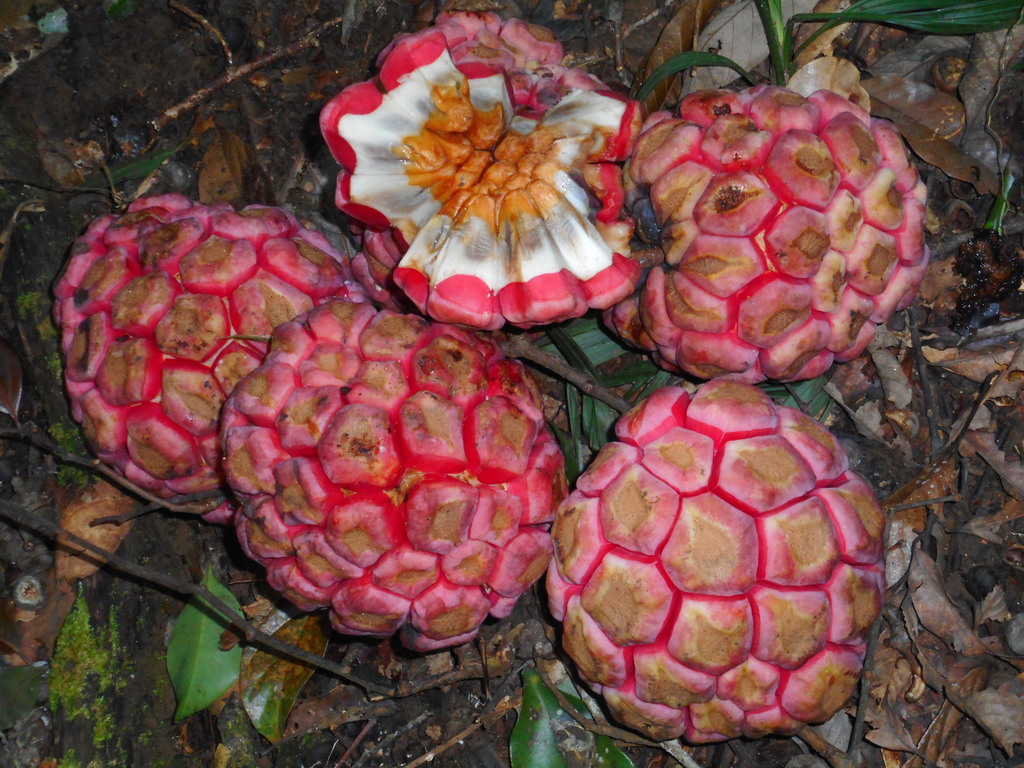
Kadsura
- Origin
- Asia
- Part used
- See detailed notebook
- Tradition
- Traditional ethnobotany
In the damp forests of southern China and neighboring regions, Kadsura has climbed along trees for centuries, offering its stems and fruits to traditional herbalists. A cousin of Schisandra, it holds a discreet but ancient place in Asia's folk pharmacopeia, where it was credited with the ability to restore the body's harmony.
Traditional uses
Traditional digestive support
The stem and roots of Kadsura were used as a decoction to soothe digestive discomfort and stomach pain, according to the folk uses of southern China.
Support for the urinary tract
Traditional practitioners used certain Kadsura preparations to support kidney function and ease urinary function, within a logic of overall bodily balance.
Traditional use against joint pain
The stem was sometimes applied or consumed to relieve rheumatic pain and muscle tension, according to uses passed down orally in the Chinese countryside.
A tonic plant in local tradition
Kadsura featured among the plants considered fortifying, used occasionally to restore vitality after fatigue or minor illness.
What to know before use
This plant remains poorly documented outside its traditional Asian context; its use should be supervised by a health professional or qualified herbalist. Strictly avoid in pregnant or breastfeeding women, for lack of sufficient safety data. Do not combine with ongoing medication treatment without medical advice, as interactions cannot be ruled out (particularly with liver or hormonal treatments). Do not give to children.
The detailed notebook
- Prepared as a paste or decoction
- Traditional duration of use
- Known contraindications
- Related species and their uses
Where to find it
Partner herbalists — available with the detailed notebook.
Sources
Wikipedia