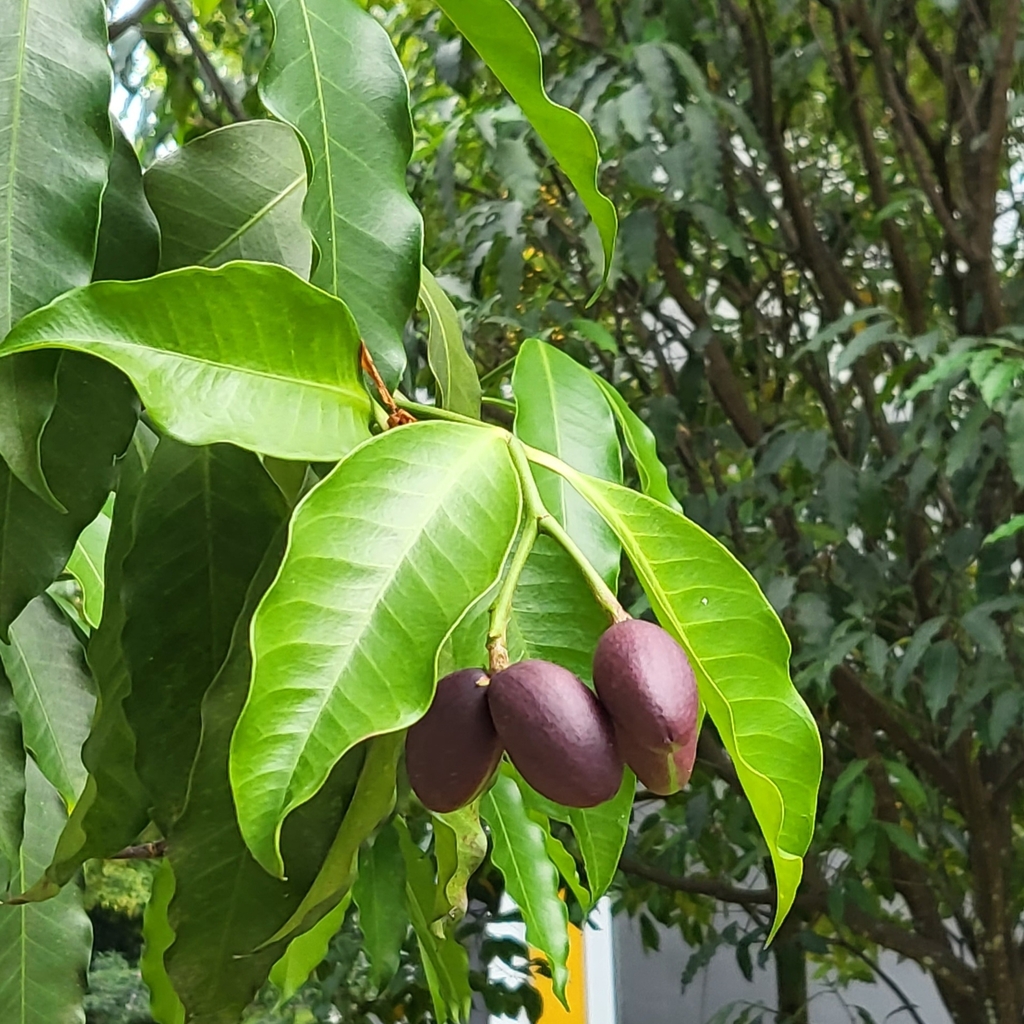
Kopsia arborea
- Origin
- Asia
- Part used
- See detailed notebook
- Tradition
- Traditional ethnobotany
A shrub of Southeast Asia's forests, Kopsia arborea belongs to the Apocynaceae family, known for its powerful alkaloids. In certain traditional pharmacopeia of India, Nepal, and Southeast Asia, the bark, roots, and leaves have been used with caution by local healers. Its reputation, however, remains marginal and poorly documented outside these specific regional traditions.
Traditional uses
Application for joint pain
The crushed bark or a poultice made from it was reportedly used locally to soothe muscle and joint pain, according to certain Asian folk traditions.
A traditional fever remedy
A decoction of the bark or roots was reportedly used in certain regions in an attempt to relieve feverish states, according to ancient folk uses.
Traditional care for skin conditions
The fresh leaves, made into a poultice, reportedly found occasional use on certain skin irritations or lesions in local folk medicine.
Occasional use against digestive troubles
In a few rural traditions, a light bark-based preparation was sometimes used in an attempt to relieve minor digestive troubles, although this use is poorly documented.
What to know before use
The genus Kopsia is rich in alkaloids with recognized toxicity; any internal use must absolutely be supervised by a qualified health professional. Strictly not recommended for pregnant or breastfeeding women, as well as children, due to the lack of safety data. Do not combine with other treatments or plants without medical advice, as interactions with certain medications cannot be ruled out. The reported traditional use is in no way a guarantee of safety; this plant remains scientifically understudied.
The detailed notebook
- Prepared as a paste or decoction
- Traditional duration of use
- Known contraindications
- Related species and their uses
Where to find it
Partner herbalists — available with the detailed notebook.
Sources
PFAF