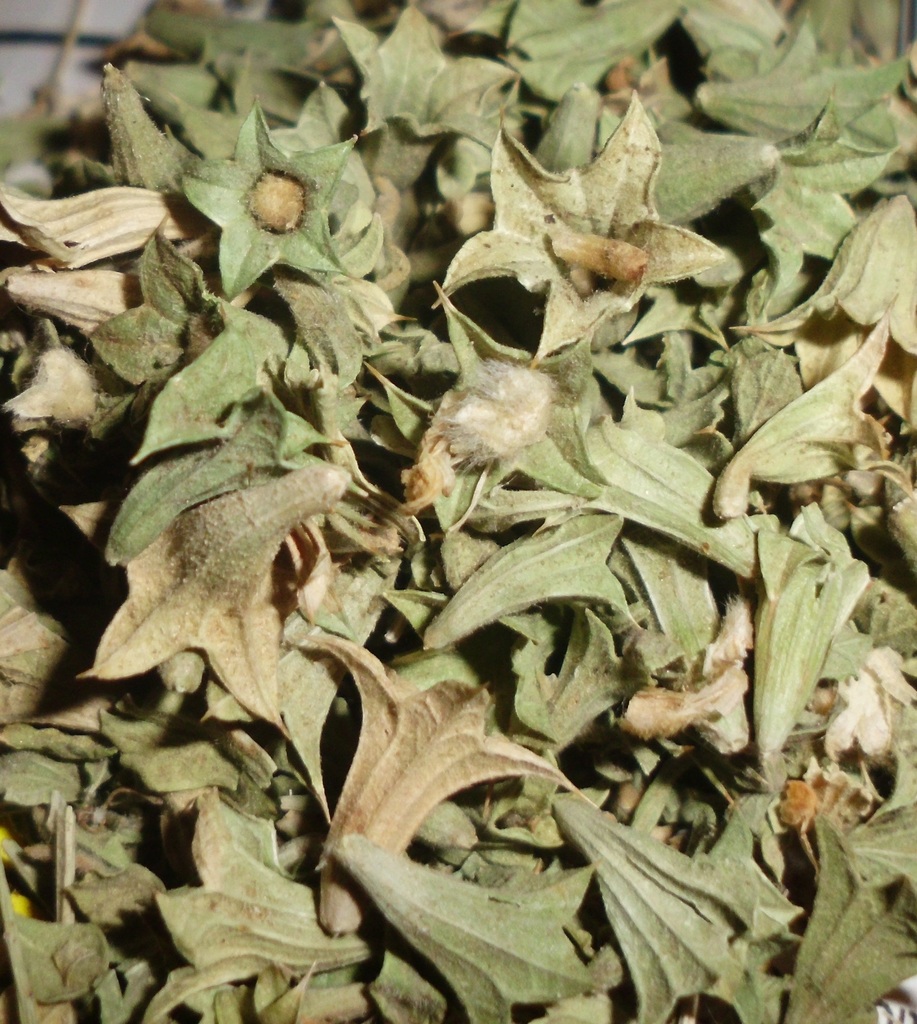
Lagochilus inebrians
- Origin
- Asia
- Part used
- Flowers
- Tradition
- Traditional ethnobotany
In the arid steppes of Central Asia, particularly in Uzbekistan and Turkmenistan, grows a modest plant that traditional healers sometimes called "drunk grass" because of the singular sensations it produced. Lagochilus inebrians, a discreet cousin of the Lamiaceae family, has long held a particular place in local folk pharmacopeia, especially for its reported effects on rest and circulation.
Traditional uses
Traditional nerve relief
The dried flowers were traditionally infused in Central Asia to promote relaxation and help with periods of nervousness or agitation.
Traditional coagulation support
Uzbek folk medicine reports a use of this plant to help limit minor bleeding, particularly as an external application or dedicated preparation.
Cycle support
Certain local traditions mention a use of Lagochilus inebrians linked to menstrual irregularities, although this use remains poorly documented in Western sources.
Traditional use for digestive discomfort
More anecdotally, a light infusion of the flowers was sometimes consumed to help with mild digestive troubles.
What to know before use
A plant little studied outside its native range; caution is advised and the advice of a health professional is recommended before any use. Effects on blood coagulation are reported in tradition: to be avoided in cases of anticoagulant treatment or coagulation disorders, unless advised otherwise by a doctor. Not recommended during pregnancy and breastfeeding due to the lack of safety data and traditional uses linked to the female cycle. Do not exceed occasional traditional uses; avoid any prolonged consumption or high doses without the supervision of a professional.
The detailed notebook
- Prepared as a paste or decoction
- Traditional duration of use
- Known contraindications
- Related species and their uses
Where to find it
Partner herbalists — available with the detailed notebook.
Sources
PFAF, Wikipedia