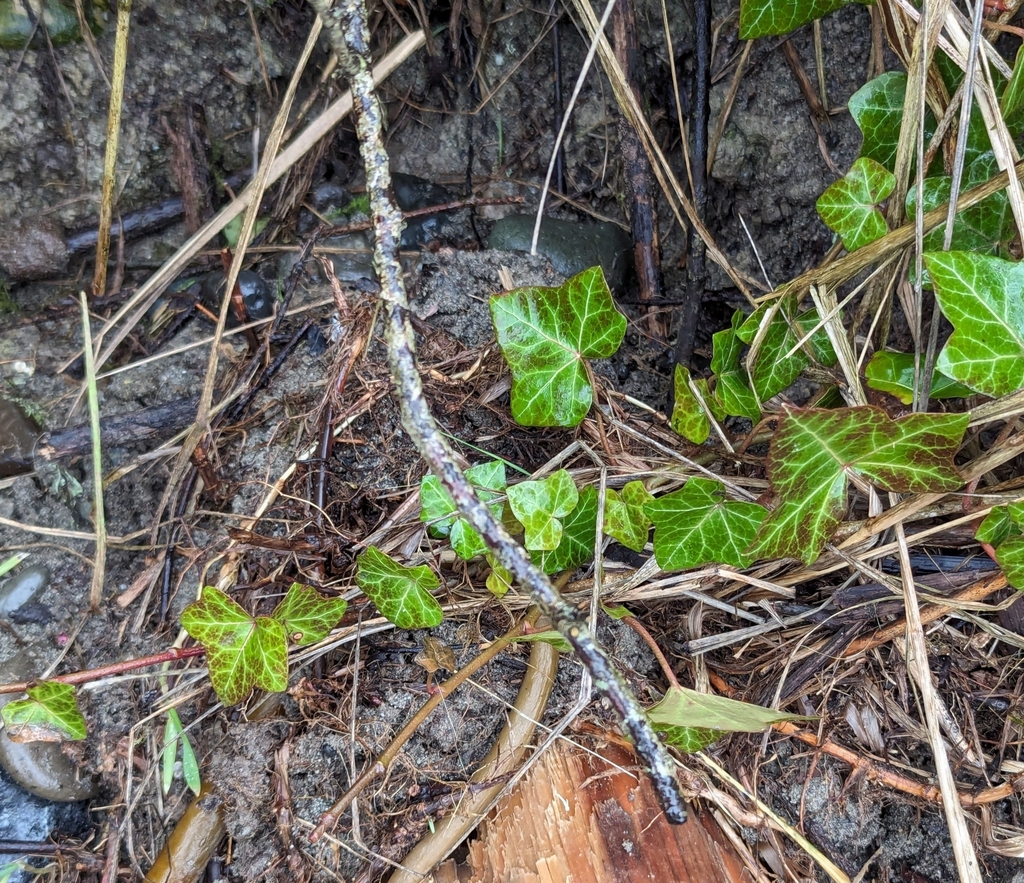
common ivy
- Origin
- Europe
- Part used
- Leaves
- Tradition
- Traditional ethnobotany
Common ivy has adorned old walls and forest tree trunks throughout Europe for centuries, credited by herbalists of old with benefits for the chest and the skin. A plant of woodland edges and ruins, it has long been associated in folk tradition with suppleness and endurance, staying green all winter long. Its leaves, the only part traditionally used, are at the heart of preparations passed down from generation to generation.
Traditional uses
Traditional support for the airways
Common ivy leaves were traditionally used in Europe to accompany chesty coughs and ease expectoration. This remains the plant's oldest and best-documented use.
External application for irritated skin
Used externally, leaf decoctions were applied as compresses to the skin, particularly for their traditional reputation for easing feelings of heaviness or minor skin irritation.
Traditional use for heavy legs
Ivy-based preparations were sometimes used as local rubs or compresses, in folk tradition, to help with a feeling of discomfort in the legs.
Traditional hair rinse
A leaf decoction was used as a hair rinse in some rural traditions, particularly to restore shine to the hair.
Before you use it
Common ivy contains saponins that can be irritating; uncontrolled internal use should be avoided and should always rely on a standardized preparation under professional guidance. All parts of the plant, especially the berries, are toxic when ingested directly and must never be consumed as such. Discouraged for pregnant or breastfeeding women, as well as young children, without medical advice. Do not use on a large open wound or very sensitive skin without prior advice, because of the risk of a skin reaction.
The detailed notebook
- Prepared as a paste or decoction
- Traditional duration of use
- Known contraindications
- Related species and their uses
Where to find it
Partner herbalists — available with the detailed notebook.
Sources
Wikipedia