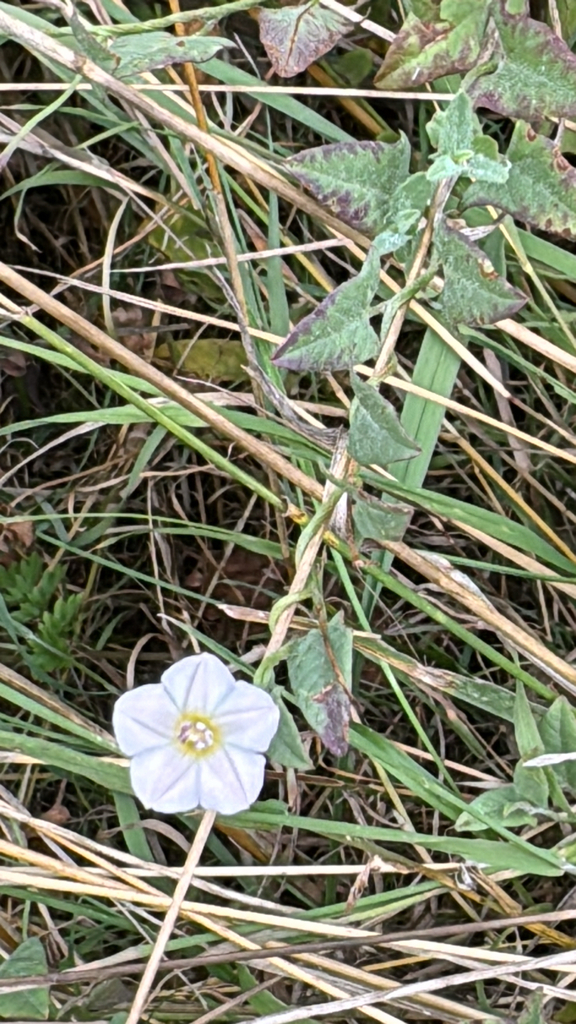
Field bindweed
- Origin
- Europe
- Part used
- Flowers, Root
- Tradition
- Traditional ethnobotany
A modest flower of pathways and cultivated fields, field bindweed has unfurled its pink and white blooms low among the crops for centuries. The old herbalists kept it at bay in their fields, yet credited it with certain quiet virtues, particularly in support of kidney and urinary function. A plant both familiar and little understood, it deserves to be presented with the caution called for by its purgative effects at high doses.
Traditional uses
Traditional support for urinary drainage
Field bindweed flower was traditionally infused to promote urinary elimination and support kidney comfort.
Reported mild laxative effect
The root, known for its purgative properties, was sometimes used in very small amounts by herbalists of old to stimulate transit, a use to be handled with great caution.
Soothing external use
Some folk traditions report the use of flower-based preparations as compresses to soothe minor skin irritations.
An old fever tea
In parts of rural Europe, a mild decoction of the whole plant was drunk to accompany feverish episodes, according to oral tradition rather than learned texts.
Before you use it
The root has marked purgative properties and must never be used without the advice of a health professional, particularly because of the risk of severe digestive upset at high doses. Use is discouraged for pregnant or breastfeeding women, as well as young children, in the absence of sufficient safety data. Field bindweed is sometimes confused with other, more strongly acting bindweed species; certain botanical identification is essential before any harvesting. If undergoing medical treatment, particularly for digestive or kidney problems, seek the advice of a health professional before any use.
The detailed notebook
- Prepared as a paste or decoction
- Traditional duration of use
- Known contraindications
- Related species and their uses
Where to find it
Partner herbalists — available with the detailed notebook.
Sources
Wikipedia