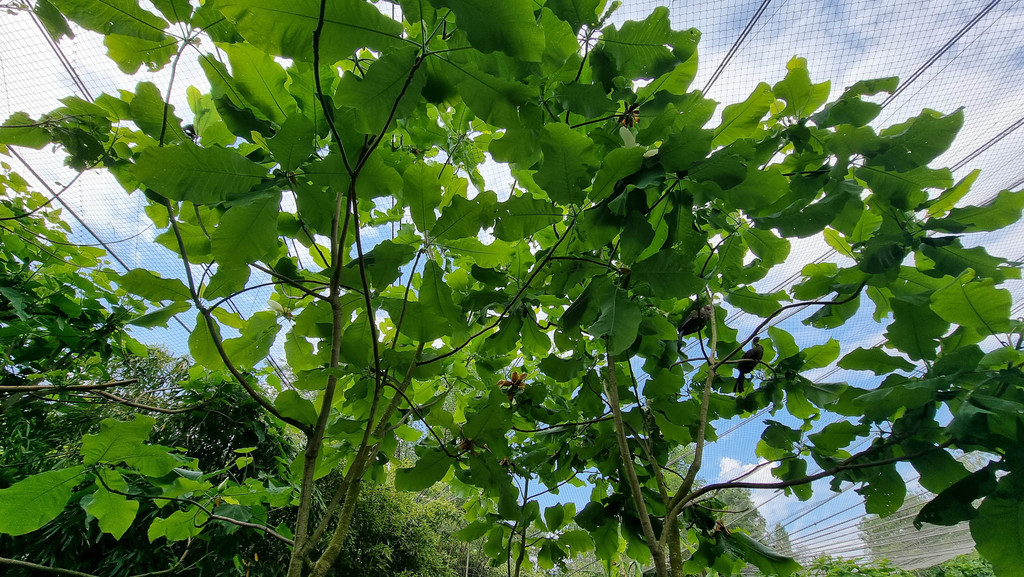
Magnolia officinal
- Origin
- Asia
- Part used
- See detailed notebook
- Tradition
- Traditional ethnobotany
In old Chinese pharmacopeia, the bark of Magnolia officinalis — Hou Po — held a prized place among remedies intended to calm a troubled mind and congested digestive organs. For over a thousand years, herbalists of East Asia harvested this bark with almost ritual care, letting it age before using it. It remains today one of the flagship plants of Chinese tradition, now studied with interest by Western researchers.
Traditional uses
Calming an agitated mind
Traditionally used to calm nervous tension and promote more peaceful sleep, particularly when anxiety is mixed with digestive troubles.
Support for heavy digestion
The bark was reputed to release digestive stagnation, bloating, and the feeling of abdominal fullness after meals.
Clearing the respiratory tract
Used in certain formulas to relieve chesty cough and a feeling of chest tightness, alongside other plants of similar use.
Help with female discomfort
In tradition, it featured among the plants combined with other remedies to help with certain discomforts linked to the female cycle.
What to know before use
Not recommended during pregnancy and breastfeeding, as the bark is traditionally associated with effects on the hormonal and uterine sphere. To be avoided in combination with sedative, anxiolytic, or anticoagulant treatments without medical advice, due to possible interactions. Use not recommended in children and to be reserved for short courses in adults, under the supervision of a professional trained in Chinese plants. Do not consume the bark fresh or unprepared according to traditional methods, as certain raw forms can irritate the digestive mucous membranes.
The detailed notebook
- Prepared as a paste or decoction
- Traditional duration of use
- Known contraindications
- Related species and their uses
Where to find it
Partner herbalists — available with the detailed notebook.
Sources
PFAF