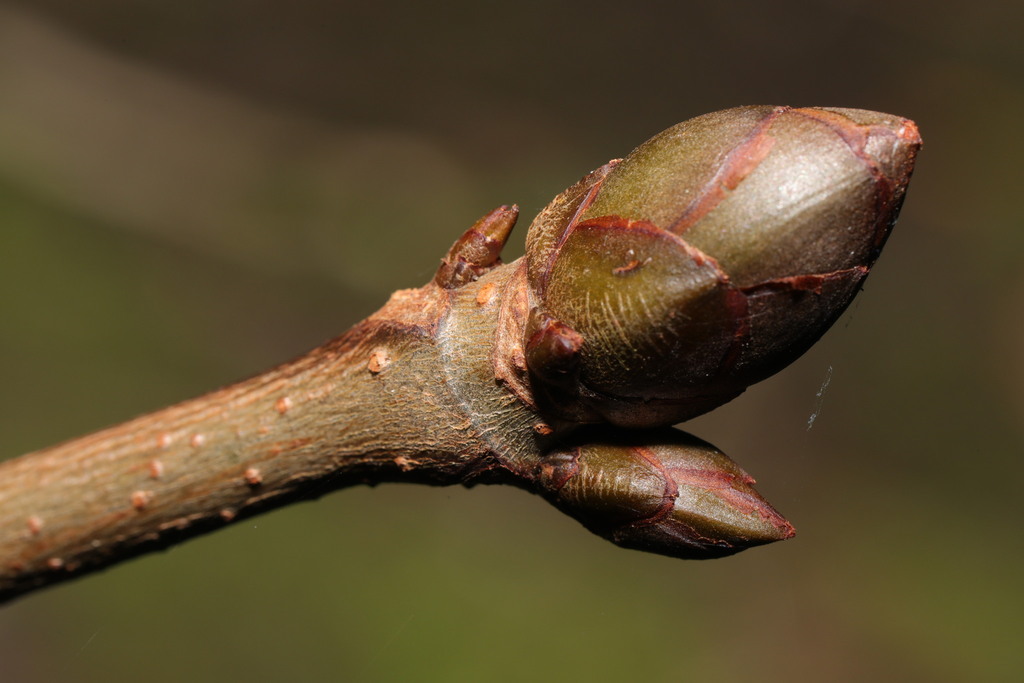
Horse Chestnut
- Origin
- Europe
- Part used
- See detailed notebook
- Tradition
- Traditional ethnobotany
The horse chestnut has adorned the squares and avenues of Europe for centuries, offering up its unmistakable spiny fruit each autumn. As early as the 18th century, herbalists took an interest in its bark and seeds, attributing to them virtues for circulation and heavy legs. Despite its name, it has nothing to do with the edible sweet chestnut: its fruit, the ‘conkers,’ are unfit for consumption as they are.
Traditional uses
Heavy legs and venous comfort
Horse chestnut seed extract is traditionally associated with relieving the sensation of heavy legs and supporting venous comfort, particularly by the end of the day.
Rubs for tired legs
Used externally, preparations based on the seed were applied as rubs or compresses to tired legs and areas prone to small visible venous dilations.
Traditional relief for hemorrhoids
Bark and seed were historically used, in dedicated preparations, to ease the discomfort of hemorrhoids.
Soothing of bruises
Applied locally, horse chestnut was traditionally associated with soothing bruises and minor bumps, as a complement to other care.
Before you use it
The raw seed is toxic (containing aesculin) and must never be eaten as is or prepared at home without specific expertise: only standardized extracts prepared by professionals are traditionally used internally. Not recommended for pregnant or breastfeeding women, or for children, due to insufficient data. To be avoided in cases of coagulation disorders or alongside anticoagulant treatments, due to possible interactions. Internal use must always be supervised by a qualified healthcare professional or herbalist; never attempt to prepare raw seeds yourself.
The detailed notebook
- Prepared as a paste or decoction
- Traditional duration of use
- Known contraindications
- Related species and their uses
Where to find it
Partner herbalists — available with the detailed notebook.
Sources
PFAF, Wikipedia