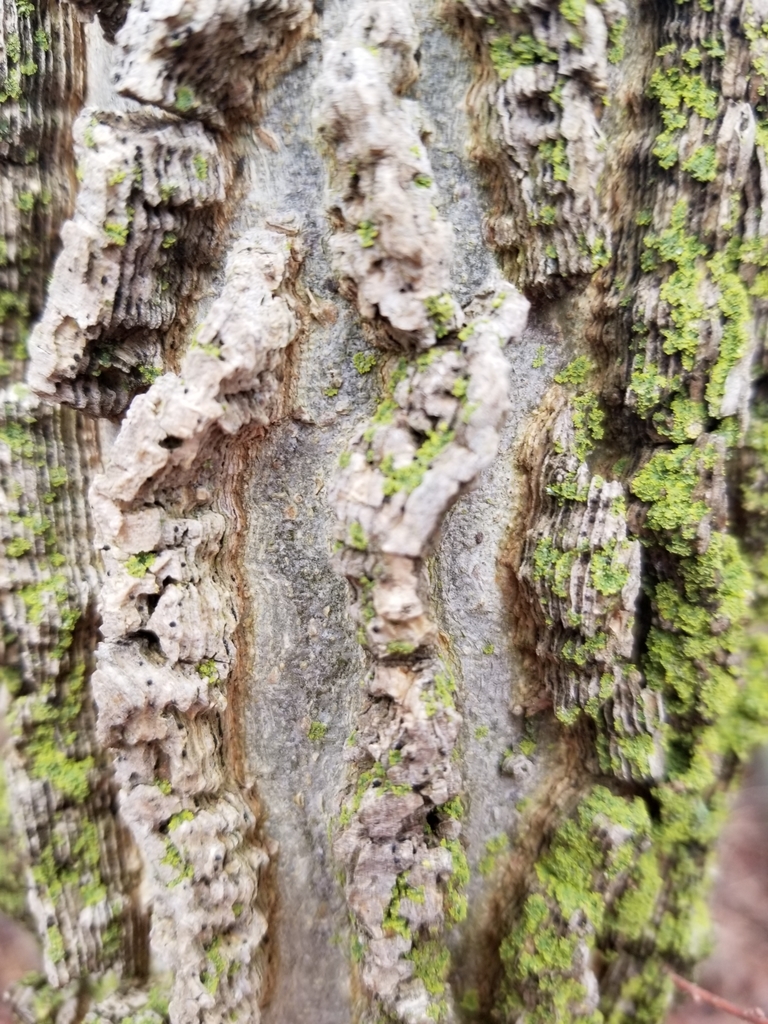
Common Hackberry
- Origin
- North America
- Part used
- See detailed notebook
- Tradition
- Traditional ethnobotany
Common hackberry, a sturdy tree of the plains and riverbanks of North America, accompanied Indigenous peoples long before the arrival of European settlers. Its bark, leaves, and small sweet fruits found a place both in traditional pharmacopoeia and in everyday food. It is said that its berries were crushed and mixed with animal fat to make nourishing provisions for long journeys.
Traditional uses
Traditional digestive support
The bark and leaves were infused by certain Amerindian nations to help with mild digestive trouble and stomach ache.
A traditional use linked to cycles
Certain Plains tribes used a bark decoction to support women through menstrual trouble, a use passed down orally rather than recorded in detail.
Application to minor wounds
Crushed bark or a poultice is said to have been applied to the skin to soothe superficial irritation and help keep minor wounds clean.
A nourishing fruit for long journeys
The sweet berries, once dried and crushed, went into energy pastes consumed during travel and lean seasons.
Before you use it
This use is historical and poorly documented by modern research: it cannot replace medical advice. Avoid self-preparing bark for internal use without the advice of a health professional, particularly during pregnancy or breastfeeding. The berries must be fully ripe and identified with certainty before consumption, as the pit is not edible. In case of doubt about the tree's identification, abstain from any harvesting for food or traditional use.
The detailed notebook
- Prepared as a paste or decoction
- Traditional duration of use
- Known contraindications
- Related species and their uses
Where to find it
Partner herbalists — available with the detailed notebook.
Sources
PFAF