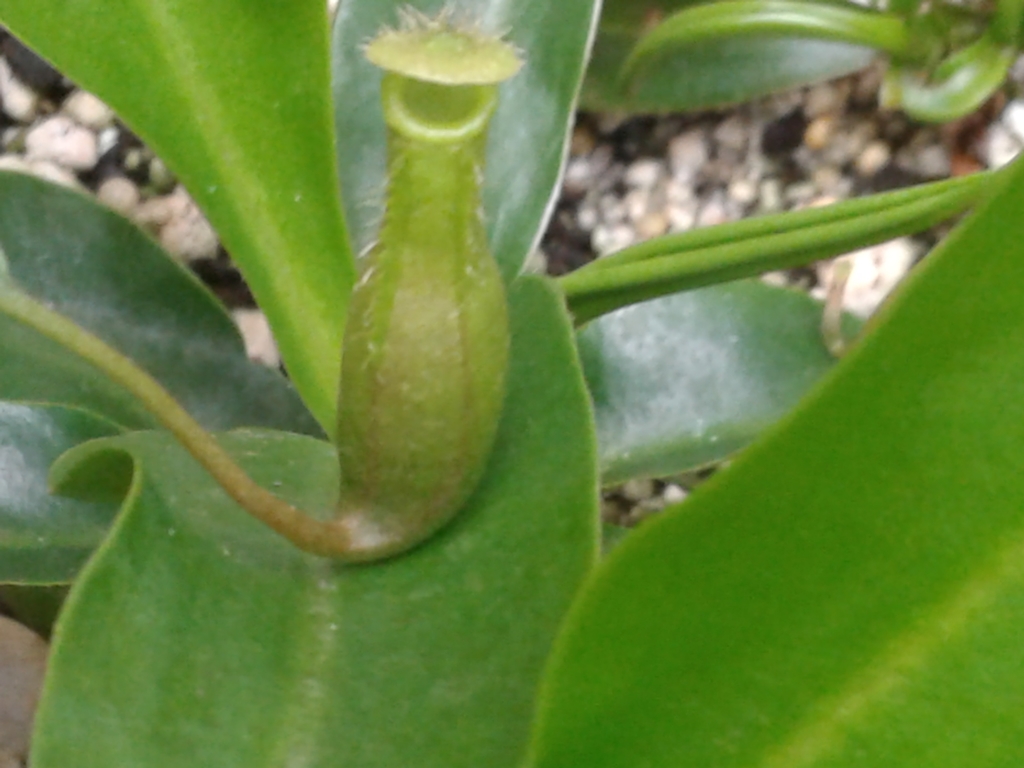
Nepenthes distillatoria
- Origin
- Asia
- Part used
- See detailed notebook
- Tradition
- Traditional ethnobotany
A carnivorous plant of Ceylon's damp forests, Nepenthes distillatoria owes its name to the pure water collected in its plant urns, long observed with curiosity by naturalist travelers. The local populations of Sri Lanka attributed a few discreet uses to it, passed down more through oral tradition than scholarly writings. It is a rare plant in Western markets, known mainly to enthusiasts of exotic botany.
Traditional uses
Urn water as a backup drink
The liquid contained in young, not-yet-digestive urns was traditionally drunk by Sinhalese travelers and hunters when water ran short in the forest.
Traditional use against digestive troubles
In certain folk practices of Sri Lanka, a plant-based preparation was reportedly used empirically to soothe mild digestive disorders, without solid scientific documentation.
An empirical fever remedy
Old ethnobotanical accounts mention a local use in cases of fever, within a loosely formalized rural traditional medicine.
Local application on minor irritation
The urn liquid was reportedly sometimes applied externally to the skin, according to very occasional local practices with little detail in the available sources.
What to know before use
A protected and rare carnivorous plant: harvesting it from the wild is strongly discouraged and often regulated; cultivated sources should be preferred. Internal traditional uses are very poorly documented scientifically; ingesting urn liquid should only be done after the advice of a qualified health professional. No reliable data exists on drug interactions or contraindications; to be avoided in pregnant women, children, and frail individuals. The liquid of older urns contains digestive enzymes and remains of decomposing insects, unfit for consumption.
The detailed notebook
- Prepared as a paste or decoction
- Traditional duration of use
- Known contraindications
- Related species and their uses
Where to find it
Partner herbalists — available with the detailed notebook.
Sources
PFAF