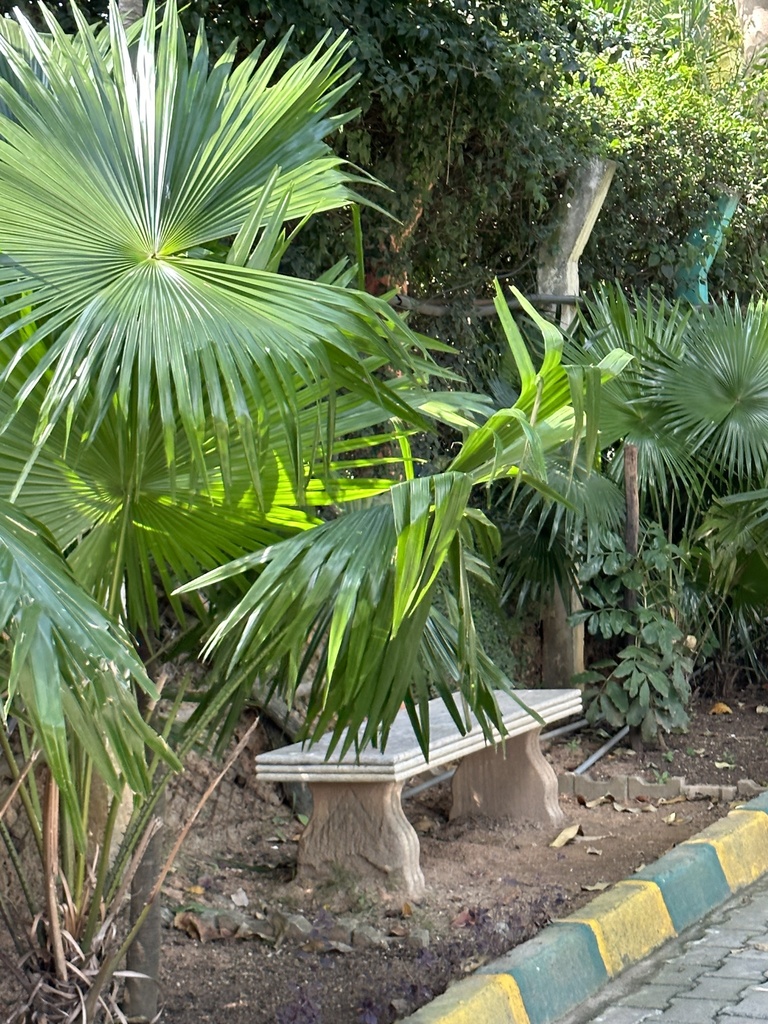
Betel Palm
- Origin
- Asia
- Part used
- See detailed notebook
- Tradition
- Traditional ethnobotany
The betel palm has accompanied the daily and ritual life of many peoples of South and Southeast Asia for millennia. Its nut, traditionally chewed wrapped in a betel leaf with a little lime, holds a place that is at once social, ceremonial, and medicinal in the old notebooks of Asian herbalists. Today, this use is viewed with far greater caution in light of modern knowledge.
Traditional uses
A digestive stimulant
The areca nut was traditionally chewed after meals in several regions of Asia to promote digestion and freshen the breath.
A traditional deworming use
In traditional Indian and Chinese medicine, the areca nut features among the ancient remedies used against certain intestinal parasites, particularly tapeworm.
A mild stimulant, a social use
Chewed with the betel leaf and lime, the nut was reputed to produce a feeling of mild stimulation and alertness, a use deeply rooted in rituals of sociability and hospitality.
A traditional postpartum use
In certain Southeast Asian traditions, the areca nut was included in preparations given to women after childbirth, a use now not recommended without medical advice.
What to know before use
The areca nut is classified by international health authorities as a substance with a proven carcinogenic risk to the oral cavity, particularly with regular and prolonged chewing. To be strictly avoided in pregnant or breastfeeding women, children, and in cases of heart trouble, asthma, or respiratory disease. Never consume as a betel quid or with prolonged use; any use, even traditional, should be discussed beforehand with a health professional. Interactions with certain medication treatments (particularly cardiac and neurological) are reported; self-medication is strongly discouraged.
The detailed notebook
- Prepared as a paste or decoction
- Traditional duration of use
- Known contraindications
- Related species and their uses
Where to find it
Partner herbalists — available with the detailed notebook.
Sources
PFAF