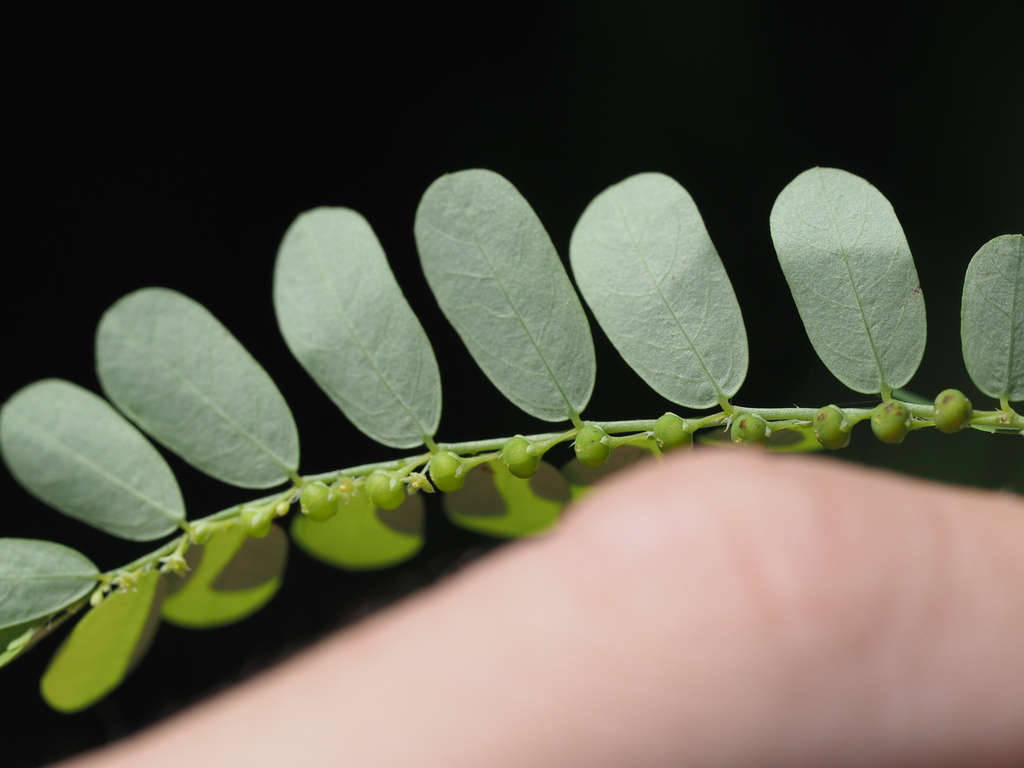
Phyllanthus amarus
- Origin
- Asia
- Part used
- See detailed notebook
- Tradition
- Traditional ethnobotany
A small, discreet plant of Asia's tropical regions, Phyllanthus amarus long grew in the shade of huts and paths without attracting attention, until Ayurvedic and Southeast Asian traditions recognized particular virtues in it for the liver and urinary tract. Its very name, which evokes bitterness, recalls the characteristic taste of this plant, which was gathered whole for its domestic uses.
Traditional uses
Traditional liver support
In Ayurvedic medicine and in Southeast Asian folk traditions, the whole plant was used as a decoction to support the liver and help with mild digestive troubles.
A traditional use for the kidneys
Phyllanthus amarus was traditionally used to promote urinary comfort and help with elimination, particularly in folk uses linked to kidney stones.
A folk remedy against fever
In certain regions of India and Southeast Asia, the plant was used as an infusion or decoction during feverish episodes, as part of family remedies passed down orally.
A traditional external application
The fresh sap of the plant was sometimes applied locally to the skin for traditional purposes, particularly for minor skin conditions.
What to know before use
Use not recommended for pregnant or breastfeeding women, due to insufficient safety data. Caution if undergoing medication treatment, particularly for liver or kidney conditions, due to possible interactions. Do not use in young children without the advice of a health professional. Seek the advice of a doctor or qualified herbalist before any prolonged course, particularly in cases of pre-existing liver fragility.
The detailed notebook
- Prepared as a paste or decoction
- Traditional duration of use
- Known contraindications
- Related species and their uses
Where to find it
Partner herbalists — available with the detailed notebook.
Sources
PFAF