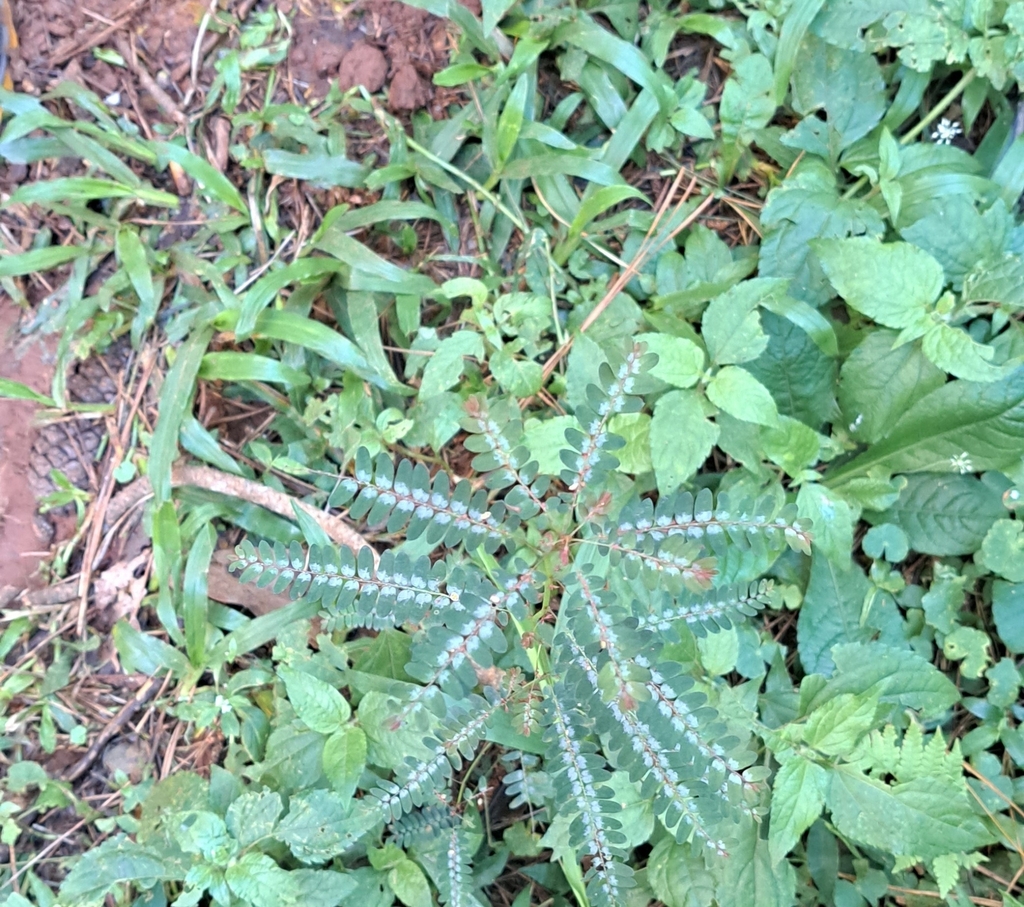
Phyllanthus niruri
- Origin
- Asia
- Part used
- See detailed notebook
- Tradition
- Traditional ethnobotany
A small, discreet plant of Asia's tropical regions, Phyllanthus niruri bears in India the evocative name "bhumyamalaki" and holds an ancient place in Ayurvedic tradition. Long nicknamed "stonebreaker" in several folk cultures, it has for a long time been associated with urinary comfort and liver health.
Traditional uses
Traditional urinary comfort
Phyllanthus niruri is traditionally associated with urinary system comfort, hence its popular nickname "stonebreaker" in certain regions of Asia and South America.
Traditional liver support
In Ayurvedic medicine, this plant has long been used to help liver function and digestion.
A traditional use against fever
Certain Asian folk traditions report the use of the whole plant for fever or general fatigue.
A traditional application to the skin
The crushed fresh plant was sometimes applied locally to the skin in certain traditional practices, as a reported external use.
What to know before use
Do not use without medical advice in cases of pregnancy or breastfeeding, as the plant is traditionally not recommended in these situations. Seek professional advice before any prolonged use, particularly if undergoing medication treatment (notably anticoagulants, antidiabetics, or liver treatments), due to possible interactions. Avoid use in children without the advice of a health professional. Stop use and consult a doctor in case of any unusual sign, as the plant's action on the liver and kidneys requires particular vigilance.
The detailed notebook
- Prepared as a paste or decoction
- Traditional duration of use
- Known contraindications
- Related species and their uses
Where to find it
Partner herbalists — available with the detailed notebook.
Sources
PFAF