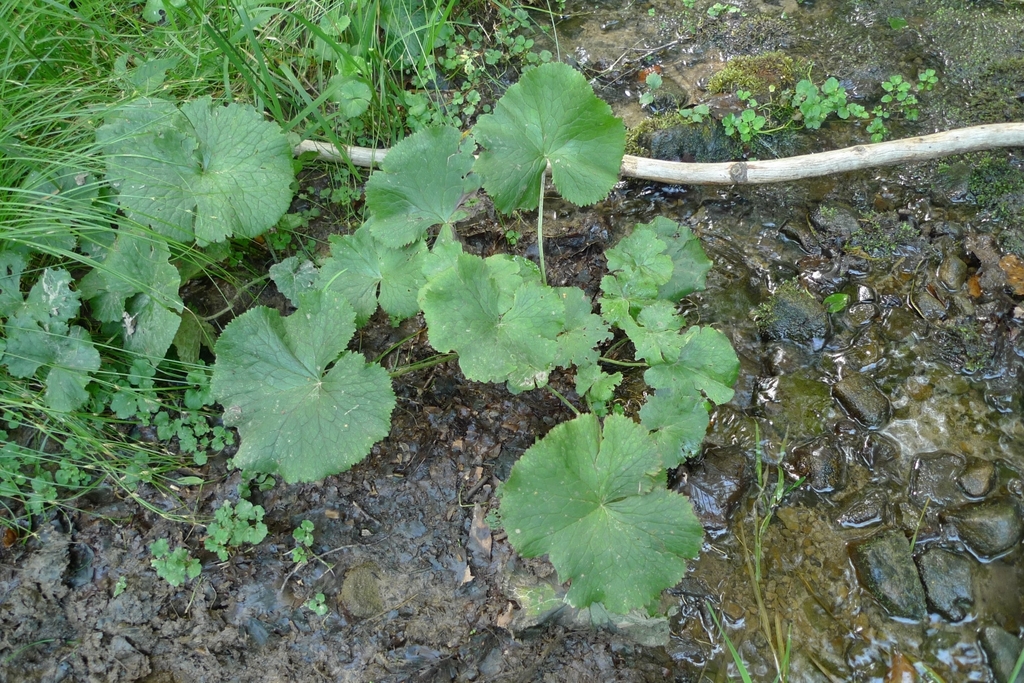
Marsh marigold
- Origin
- Europe
- Part used
- Seeds/fruits
- Tradition
- Traditional ethnobotany
Along streams and in the damp meadows of Europe, marsh marigold unfurls its golden flowers as soon as fine weather arrives. The old herbalists watched it as much as they distrusted it, for beneath its bright finery lies a member of the buttercup family, reputed to be toxic when fresh. Its traditional use remains marginal and always surrounded by great caution.
Traditional uses
Occasional use in the countryside
In some farming traditions of northern Europe, the dried seeds may have been used very sparingly in rustic preparations intended for livestock, never for humans.
A plant of spring festivals
Marsh marigold was traditionally gathered and woven into garlands for May celebrations in northern Europe, more for its symbolism of renewal than for any internal use.
A noted but rarely used plant
Old herbals mention marsh marigold mainly as a toxic plant to know in order to avoid it, rather than as a remedy to prepare, its seeds never having been the subject of a well-established and safe traditional use.
Before you use it
Marsh marigold is toxic when fresh, for humans and animals alike; any ingestion should be avoided. The seeds and fruits do not have a traditional use documented reliably enough for household use. Never confuse it with other yellow-flowered wetland plants; such confusion is a known cause of poisoning. Consulting a health professional or a qualified botanist is essential before handling this plant in any way.
The detailed notebook
- Prepared as a paste or decoction
- Traditional duration of use
- Known contraindications
- Related species and their uses
Where to find it
Partner herbalists — available with the detailed notebook.
Sources
PFAF, Wikipedia