African Cherry
- Origin
- Africa
- Part used
- See detailed notebook
- Tradition
- Traditional ethnobotany
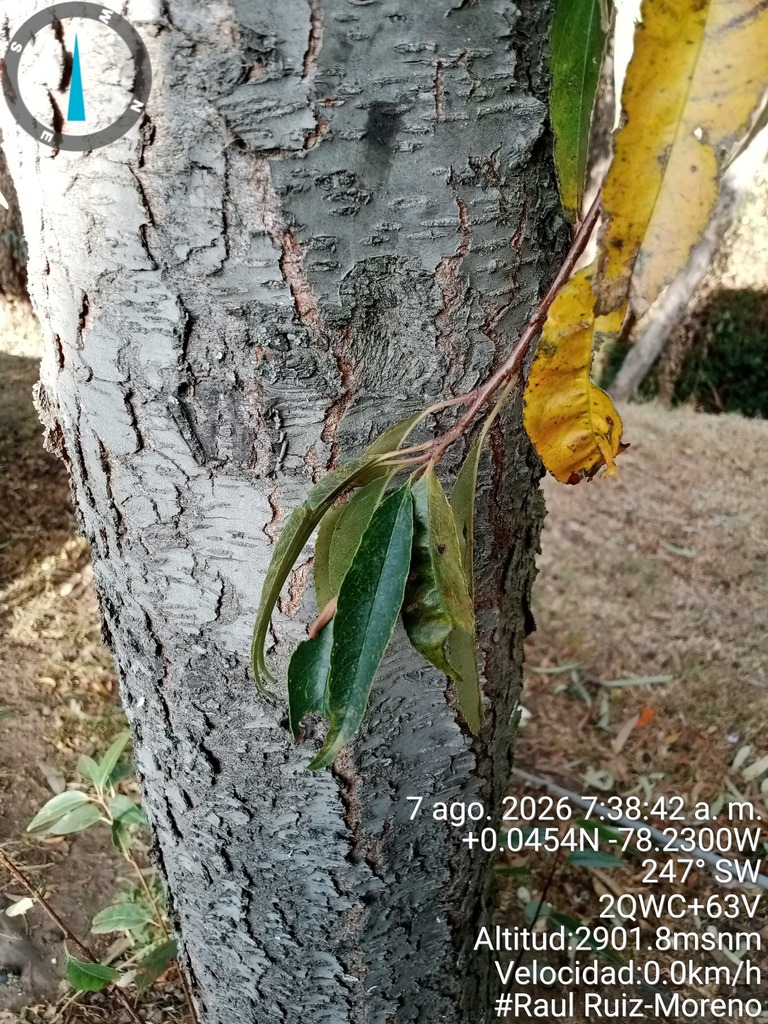
A large tree of the highland forests of Central and East Africa, the African cherry has been known for generations by traditional healers under the vernacular name "pygeum" in some regions. Its bitter, reddish bark holds a particular place in traditional African pharmacopoeias, particularly to accompany urinary troubles in aging men.
Traditional uses
Urinary comfort in older men
The bark was traditionally prepared as a decoction to accompany urinary discomfort related to aging, particularly frequent urges and difficulty urinating.
Support in case of inflammation
In certain Central African traditions, the bark was used for its soothing properties in various inflammations, particularly in the pelvic area.
Tonic and bitter use
Its pronounced bitterness also earned it occasional use as a digestive tonic in certain local pharmacopoeias.
Before you use it
A CITES-protected species: wild harvesting has threatened natural populations — favor sources from sustainable cultivation or certified trade. Never self-medicate for urinary or prostate trouble without prior medical diagnosis, as these symptoms may mask other conditions. Use is not recommended in pregnant or breastfeeding women, for lack of sufficient data. Consult a healthcare professional if undergoing treatment, particularly for urological conditions, due to possible interactions.
The detailed notebook
- Prepared as a paste or decoction
- Traditional duration of use
- Known contraindications
- Related species and their uses
Where to find it
Partner herbalists — available with the detailed notebook.
Sources
PFAF