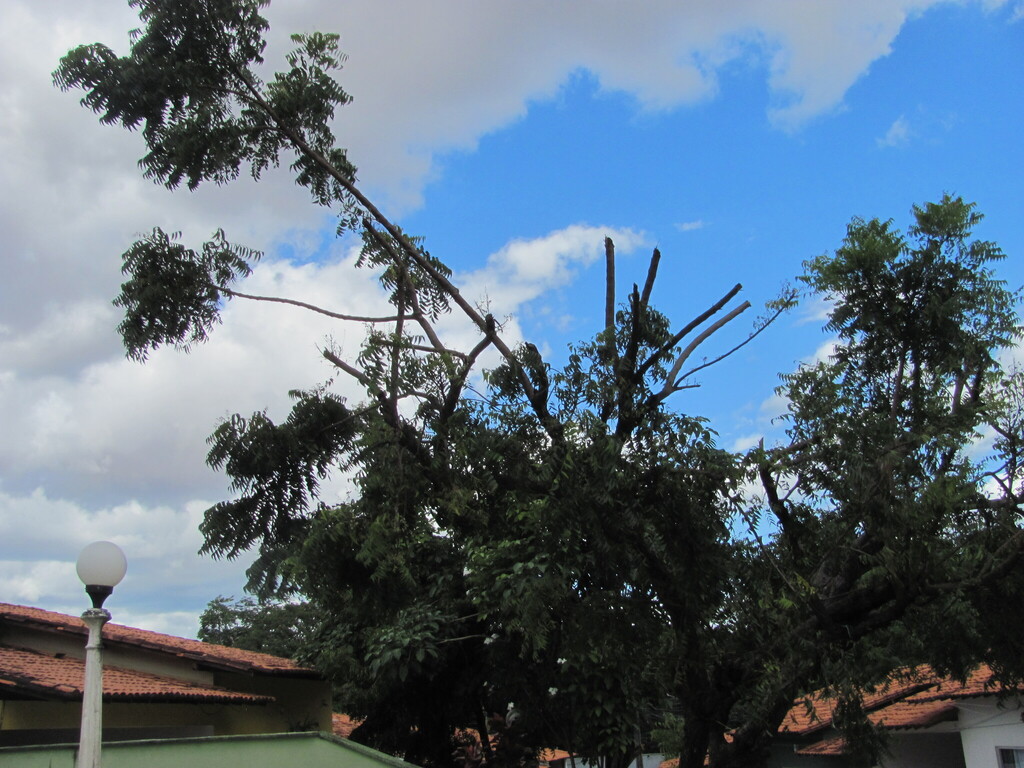
Yellow Mombin
- Origin
- Africa
- Part used
- See detailed notebook
- Tradition
- Traditional ethnobotany
The yellow mombin, a generous tree of the savannas and forest edges of tropical Africa, bears tangy yellow fruit that was as often eaten as gathered for the family pharmacopoeia. From bark to leaves to fruit, every part found its place in remedies passed down through generations. The elders spoke of it as an "all-purpose" tree, as nourishing as it was healing.
Traditional uses
Easing digestive troubles
The fruit and its decoction were traditionally used to calm intestinal discomfort and occasional diarrhea.
Accompanying feverish states
A decoction of fruit or bark was given in cases of fever, as part of traditional convalescence care.
Traditional mouth care
The tangy juice of the fruit, or a seed-based preparation, was sometimes used as a mouthwash to soothe minor irritation.
Traditional skin use
The pulp or a decoction from the fruit was applied locally to accompany minor skin irritation.
Before you use it
Do not use the seeds or pits without suitable preparation, as certain parts of the fruit can be irritating if poorly prepared. Avoid prolonged or high-dose use without the advice of a healthcare professional, as the composition of the seeds is not fully documented. Not recommended for pregnant or breastfeeding women and young children, for lack of sufficient data. Consult a healthcare professional if undergoing medication treatment, particularly digestive treatment.
The detailed notebook
- Prepared as a paste or decoction
- Traditional duration of use
- Known contraindications
- Related species and their uses
Where to find it
Partner herbalists — available with the detailed notebook.
Sources
PFAF, Wikipedia