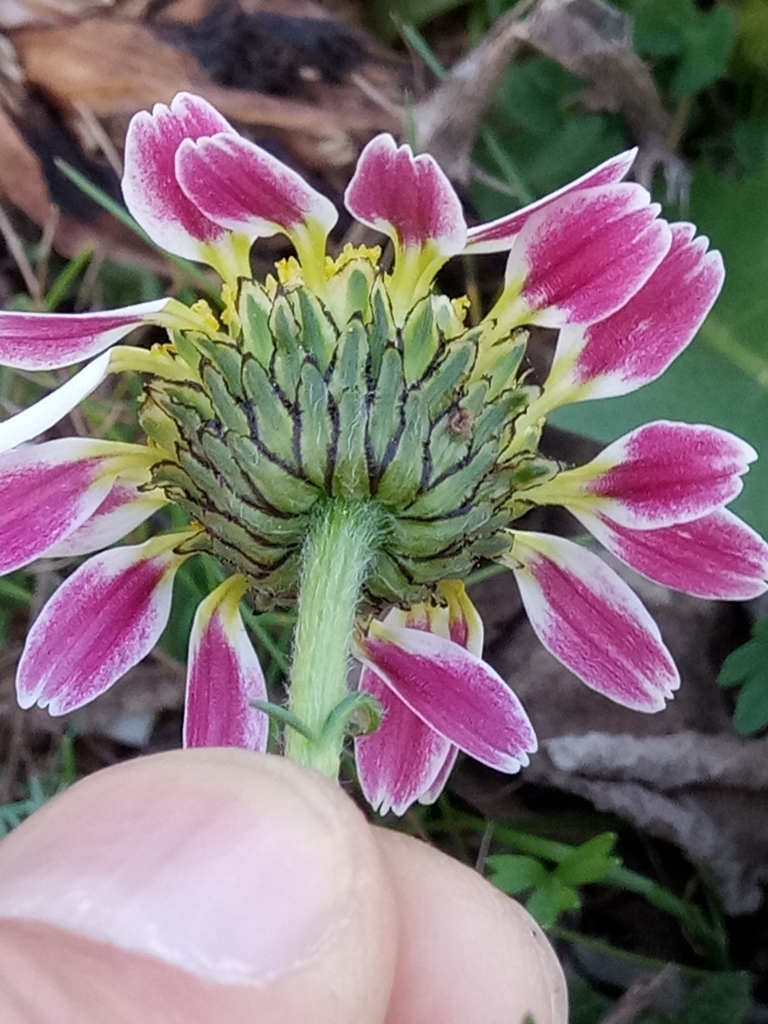
Pellitory of Spain
- Origin
- Europe
- Part used
- See detailed notebook
- Tradition
- Traditional ethnobotany
Pellitory of Spain, despite its name, grows in the sun-drenched scree of the Mediterranean basin and was long cultivated in the physic gardens of southern Europe. Its root, with its sharp, pungent flavor, was prized since antiquity for its sialagogue properties and its use in traditional dental care. Old herbalists considered it a remedy of choice for mouth pain and troublesome tongues.
Traditional uses
Relief of dental pain
The chewed root was traditionally used to locally relieve toothache, its pungent flavor triggering a flow of saliva and a warming effect on the affected area.
Stimulation of salivation
Once used as a sialagogue, it was employed to stimulate saliva production in people suffering from dry mouth or sluggish digestion.
Invigorating scalp rub
As a tincture or macerate, the root went into preparations rubbed onto the scalp, believed to awaken local circulation and restore vitality to the hair, according to folk tradition.
Traditional use for hoarseness
Some old herbalist notebooks mention its use as a diluted gargle to clear the throat and voice, though this use remained marginal and was later poorly documented.
Before you use it
The root is rich in irritating compounds (notably pyrethrin), and prolonged internal use or excessive doses can cause mucous membrane irritation; a healthcare professional's advice is recommended before any use. Not recommended for pregnant or breastfeeding women, or young children, due to insufficient safety data. To be avoided in cases of already damaged or inflamed oral mucosa, as the warming effect can worsen irritation. Never ingest the raw root in large amounts; brief, supervised local use is preferable.
The detailed notebook
- Prepared as a paste or decoction
- Traditional duration of use
- Known contraindications
- Related species and their uses
Where to find it
Partner herbalists — available with the detailed notebook.
Sources
PFAF, Wikipedia