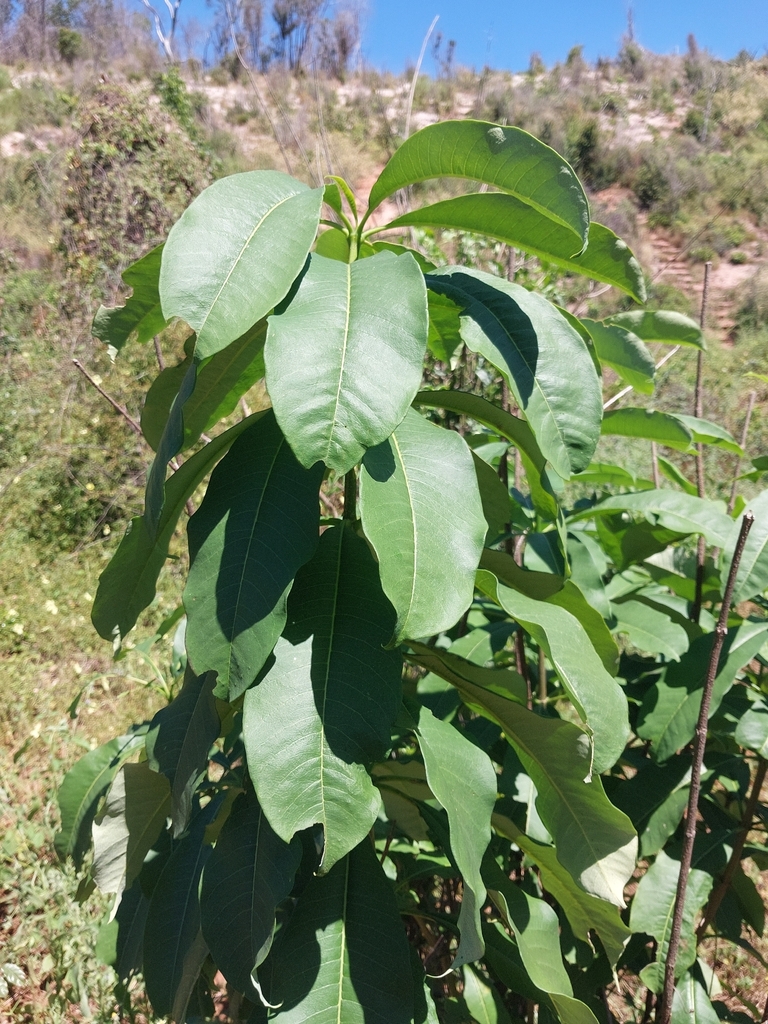
Rauvolfia media
- Origin
- Africa
- Part used
- See detailed notebook
- Tradition
- Traditional ethnobotany
Native to wooded regions of Africa, Rauvolfia media belongs to the large Apocynaceae family, several cousin species of which have shaped the history of traditional pharmacopoeias around the world. Its roots, rich in powerful alkaloids, have long been reserved for specific uses, surrounded by knowledge passed down cautiously by local healers. This plant does not belong to the register of everyday simples, but to that of ancient remedies handled with discernment.
Traditional uses
Traditional easing of agitation
In certain African pharmacopoeias, the root was used in highly diluted preparations to temper states of nervous agitation and promote deep calm.
Traditional use for tension
Traditional healers attributed to Rauvolfia root moderating properties on states of excessive tension, a use now linked to that of other species of the same genus studied in pharmacology.
Decoctions against fever
Root decoction was among the traditional remedies used locally to fight feverish states and certain parasitic conditions.
Traditional skin applications
Preparations made from crushed bark or root were sometimes applied to the skin to treat certain skin conditions, according to locally reported but poorly detailed uses.
Before you use it
A plant with strong alkaloidal activity: never prepare or consume without the guidance of a healthcare professional or experienced herbalist precisely familiar with the species. Contraindicated in pregnancy, breastfeeding, depression, or heart conditions, due to the hypotensive and neuroactive alkaloids it contains. Risk of interactions with many medications, particularly those regulating blood pressure or mood. Traditional use was reserved for experienced practitioners; any modern use should be discussed with a doctor beforehand.
The detailed notebook
- Prepared as a paste or decoction
- Traditional duration of use
- Known contraindications
- Related species and their uses
Where to find it
Partner herbalists — available with the detailed notebook.
Sources
PFAF