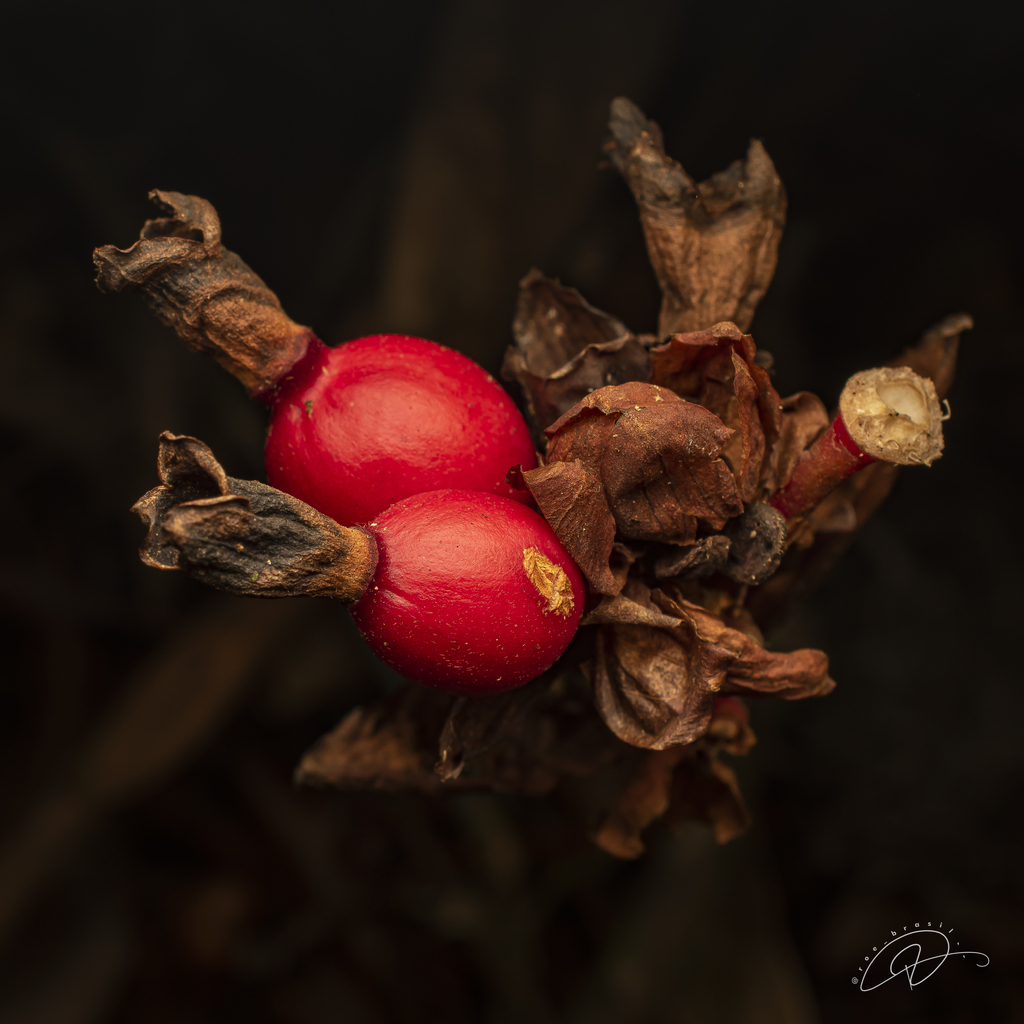
Renealmia alpinia
- Origin
- South America
- Part used
- See detailed notebook
- Tradition
- Traditional ethnobotany
In the humid undergrowth of Amazonia and the Andean foothills, Renealmia alpinia stands out for its clusters of bright red fruit and its inflorescences emerging directly from the ground. A close cousin of ginger, this plant of the Zingiberaceae family has long been part of the botanical knowledge of many South American peoples, who used its various parts according to practices passed down orally from generation to generation.
Traditional uses
Traditional care for skin conditions
The leaves and sometimes the fruit were traditionally applied locally to accompany various skin discomforts, according to uses reported in several Amazonian communities.
Traditional use for digestive comfort
A decoction of rhizome or fruit was sometimes used to soothe digestive discomfort, continuing the traditional uses attributed to other Zingiberaceae.
Application against pain and inflammation
Some preparations made from leaves or rhizome were traditionally used externally to accompany localized pain.
A traditional remedy against fevers
In some South American folk pharmacopoeias, Renealmia alpinia is among the plants traditionally associated with accompanying feverish states.
What to know before use
A traditional use poorly documented scientifically outside its native context: caution is advised and the advice of a health professional is recommended before any use. Not recommended for pregnant or breastfeeding women, for lack of sufficient safety data. Do not exceed occasional use and avoid prolonged ingestion without supervision, owing to a lack of studies on its potential toxicity. Avoid in children, in the absence of reliable data for this population.
The detailed notebook
- Prepared as a paste or decoction
- Traditional duration of use
- Known contraindications
- Related species and their uses
Where to find it
Partner herbalists — available with the detailed notebook.
Sources
PFAF, PubMed