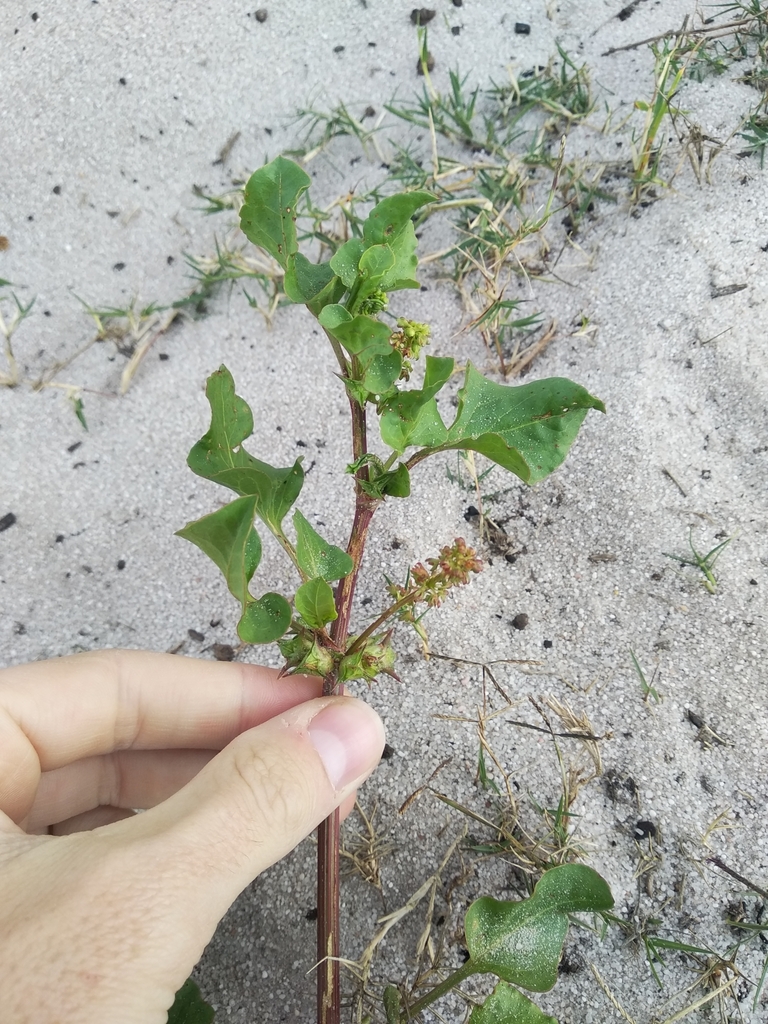
Rumex hypogaeus
- Origin
- Africa
- Part used
- See detailed notebook
- Tradition
- Traditional ethnobotany
Rumex hypogaeus is a plant of the Polygonaceae family, related to wild sorrels, growing in certain regions of Africa. It is poorly documented in Western ethnobotanical literature, but its genus, Rumex, is traditionally known worldwide for uses linked to its roots and leaves. For lack of solid, detailed sources on this particular species, this entry remains deliberately cautious and general.
Traditional uses
Traditional digestive use of the Rumex genus
Like other Rumex species, this plant is said to have been used locally in connection with mild digestive troubles, though sources specifically documenting Rumex hypogaeus remain rare.
Traditional application on the skin
Certain Rumex species have been used externally to soothe minor skin irritation, a use found across African traditions linked to wild sorrels.
Occasional consumption of the leaves
Like other wild sorrels, the young leaves may have been eaten occasionally in certain regions, more as food than as remedy.
Before you use it
A poorly documented species: caution requires not self-treating without the advice of a healthcare professional or experienced herbalist. Like other Rumex, the plant may contain oxalates; excessive consumption is discouraged, particularly in cases of kidney trouble. Avoid use in pregnant or breastfeeding women, as well as young children, for lack of sufficient safety data. Do not confuse with other Rumex species whose uses and risks may differ significantly.
The detailed notebook
- Prepared as a paste or decoction
- Traditional duration of use
- Known contraindications
- Related species and their uses
Where to find it
Partner herbalists — available with the detailed notebook.
Sources
PFAF