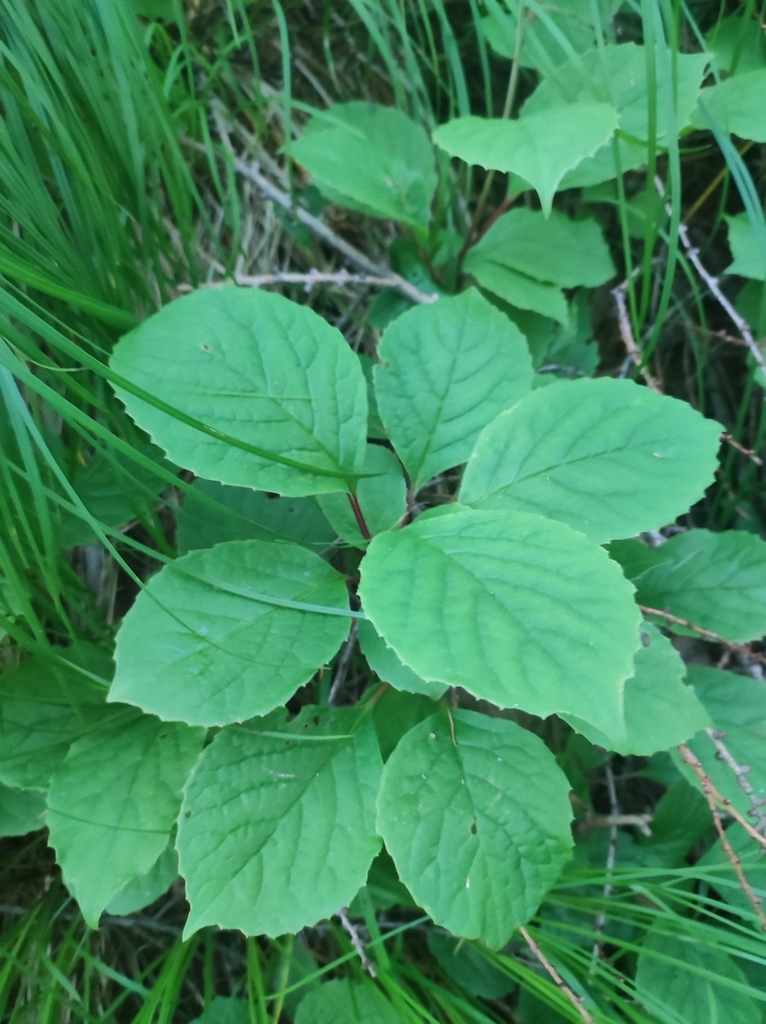
Schisandra
- Origin
- Asia
- Part used
- Leaves
- Tradition
- Traditional ethnobotany
In the cool forests of northeastern China and eastern Siberia, Schisandra chinensis climbs along trees, offering its clusters of red berries. Called "wu wei zi," or "five-flavor fruit," it has for centuries held a prized place in traditional Chinese pharmacopeia, where it was considered a tonic plant of the first importance. The leaves, less famous than the fruit but used locally, were also infused by the peoples of the forested regions of Northeast Asia.
Traditional uses
Traditional energy support
In Chinese tradition, Schisandra was classified among the so-called adaptogenic plants, believed to help the body better withstand fatigue and prolonged stress.
Calming an agitated mind
The leaves and fruits were traditionally infused to calm nervous tension and promote more peaceful sleep, according to Northeast Asian folk uses.
Help for the respiratory tract
Certain local traditions report the use of the leaves as an infusion to help with periods of cough or irritated throat, alongside other household remedies.
Ancient digestive comfort
Schisandra preparations were also credited with the ability to soothe a sensitive stomach, continuing the general tonic uses attributed to the plant.
What to know before use
Not recommended during pregnancy and breastfeeding due to a traditional use linked to hormonal effects, to be avoided without medical advice. Schisandra may interact with certain medications, particularly those metabolized by the liver; seek the advice of a health professional before any regular use. Not recommended in children without the supervision of a qualified therapist. If undergoing treatment or in cases of liver disease, consult a professional before any use.
The detailed notebook
- Prepared as a paste or decoction
- Traditional duration of use
- Known contraindications
- Related species and their uses
Where to find it
Partner herbalists — available with the detailed notebook.
Sources
Wikipedia