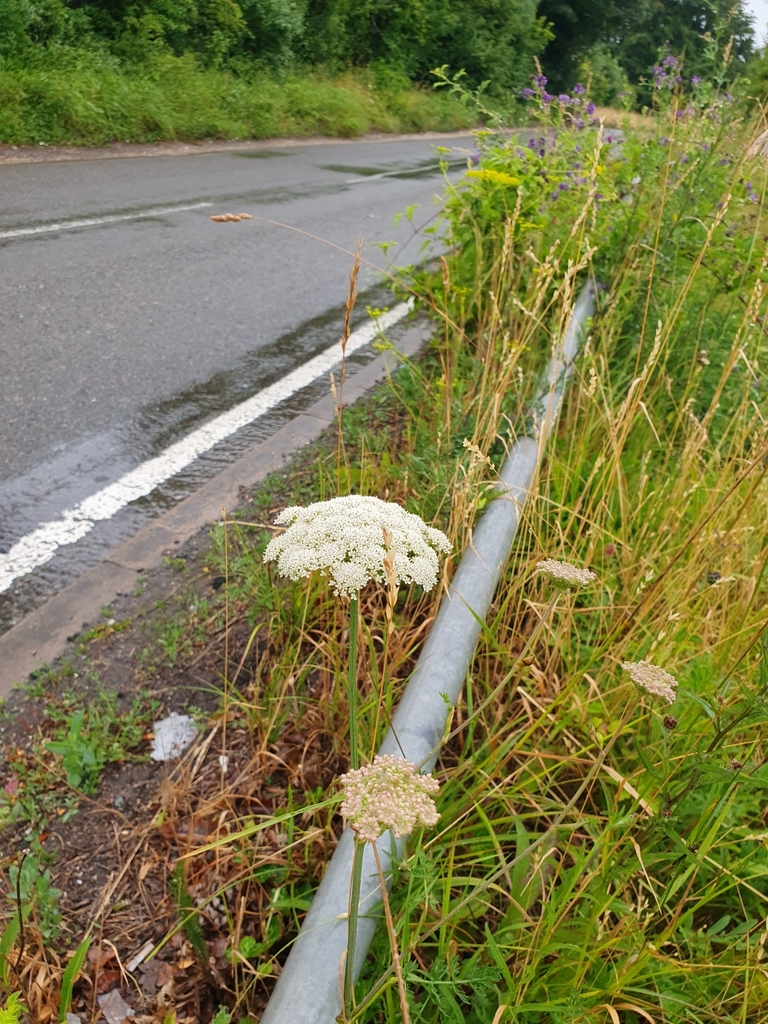
Seseli libanotis
- Origin
- Europe
- Part used
- Root
- Tradition
- Traditional ethnobotany
Seseli libanotis, which the old herbalists sometimes called "mountain parsley," grows on the limestone hillsides and dry meadows of Europe. Its aromatic root, close to that of sister umbellifers like fennel or wild carrot, was once gathered by pickers of rocky-ground plants for its traditional digestive and respiratory uses. An unassuming plant, little known today, but whose memory lingers in a few old regional herbals.
Traditional uses
Support for sluggish digestion
The root was traditionally used as a decoction to help with difficult digestion and bloating, in the manner of other aromatic umbellifers.
Soothing for the airways
In some folk traditions of central Europe, the dried root was used as an infusion to relieve coughing and clear congested airways.
Traditional use for women's troubles
Some old herbalist notebooks mention a use of the root to help with irregular cycles, a use now poorly documented and to be approached with great caution.
Traditional support for elimination
Like many umbellifers, the root was sometimes used to promote urinary elimination in rural folk pharmacopoeia.
Before you use it
A member of the carrot family little studied from a modern toxicological standpoint: use should remain cautious and occasional. Discouraged for pregnant or breastfeeding women because of its traditional use mentioned in connection with the menstrual cycle. Avoid in children and in those undergoing medical treatment, without the advice of a health professional. Do not confuse it with other wild umbellifers, some of them toxic, when harvesting in the wild.
The detailed notebook
- Prepared as a paste or decoction
- Traditional duration of use
- Known contraindications
- Related species and their uses
Where to find it
Partner herbalists — available with the detailed notebook.
Sources
PFAF, PubMed