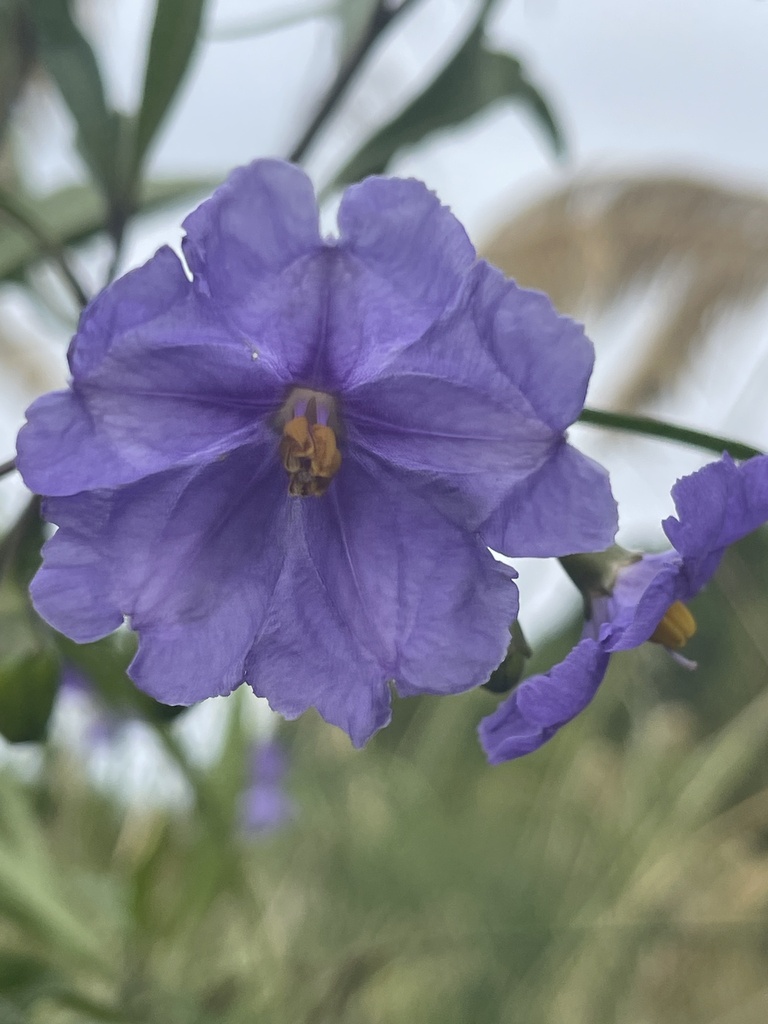
Solanum laciniatum
- Origin
- Oceania
- Part used
- Root
- Tradition
- Traditional ethnobotany
Native to the lands of Oceania, Solanum laciniatum, sometimes called "kangaroo apple," is a plant of the great nightshade family, long known for its richness in steroidal alkaloids. Twentieth-century herbalists and botanists were mainly interested in it for extracting solasodine, a precursor used in the pharmaceutical industry, more than for common household use.
Traditional uses
Source of solasodine
The root and fruit of this plant have traditionally served as raw material for extracting solasodine, a compound used as a precursor in the synthesis of hormonal substances.
Locally reported external use
In certain popular Oceanian practices, root-based preparations are said to have been applied locally to the skin, although this use remains poorly documented in written sources.
A plant of indigenous knowledge
Among certain peoples of Oceania, this nightshade held a particular place in traditional botanical knowledge, more as a plant of observation and learning than as a common remedy.
A plant of interest for pharmacognosy
From the twentieth century onward, this species attracted the attention of pharmacognosy researchers for the high glycoalkaloid content of its root tissue.
What to know before use
Toxic plant: the entire plant, and particularly the unripe fruit, contains glycoalkaloids that can cause severe digestive and neurological disturbances if ingested. Strictly discouraged for self-medication; any use must take place under the strict supervision of a professional qualified in pharmacognosy or phytotherapy. Contraindicated in pregnant or breastfeeding women, as well as in children, due to its potential toxicity and hormonally active compounds. Keep out of reach of children and pets, as the plant is sometimes mistaken for ornamental nightshades.
The detailed notebook
- Prepared as a paste or decoction
- Traditional duration of use
- Known contraindications
- Related species and their uses
Where to find it
Partner herbalists — available with the detailed notebook.
Sources
PFAF, Wikipedia