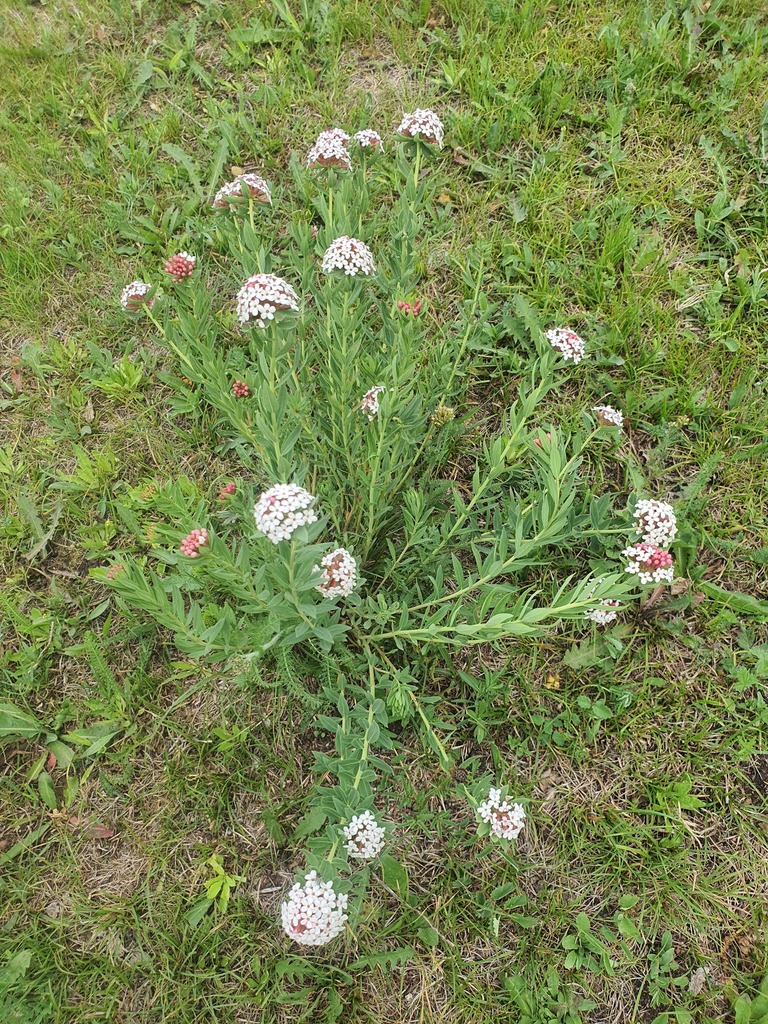
Stellera
- Origin
- Asia
- Part used
- Root, Bark
- Tradition
- Traditional ethnobotany
In the steppes and plateaus of Central Asia and China, Stellera (Stellera chamaejasme) has long featured in local traditional pharmacopeia, particularly Tibetan medicine and certain ancient Chinese practices. This herbaceous plant, with tough roots and fibrous bark, was known above all for its external uses and its very closely supervised applications, due to its recognized potency.
Traditional uses
Skin and parasitic conditions
The bark and root were traditionally applied as external preparations for skin problems, particularly against certain skin parasite infestations, in Central Asian folk uses.
Antiparasitic use for livestock
Historically, the plant was used in certain regions to fight livestock parasites, a use that reflects its reputation as a potent but toxic plant.
Old-time joint pain
In traditional Tibetan medicine, preparations made from Stellera root were sometimes mentioned to relieve joint pain, always in a highly diluted form and supervised by an experienced practitioner.
An ancient purgative use
Certain ancient texts report a purgative use of the root, but this use was considered risky and reserved for experienced practitioners due to the plant's toxicity.
What to know before use
A plant recognized as toxic in traditional and modern literature: never consume without the supervision of a qualified professional. Internal use strongly discouraged in self-medication; contraindicated in pregnant or breastfeeding women and in children. Risk of skin irritation or reaction with external use; always test on a small area beforehand. Do not combine with other plants or treatments without medical advice, as interactions cannot be ruled out.
The detailed notebook
- Prepared as a paste or decoction
- Traditional duration of use
- Known contraindications
- Related species and their uses
Where to find it
Partner herbalists — available with the detailed notebook.
Sources
PFAF, Wikipedia