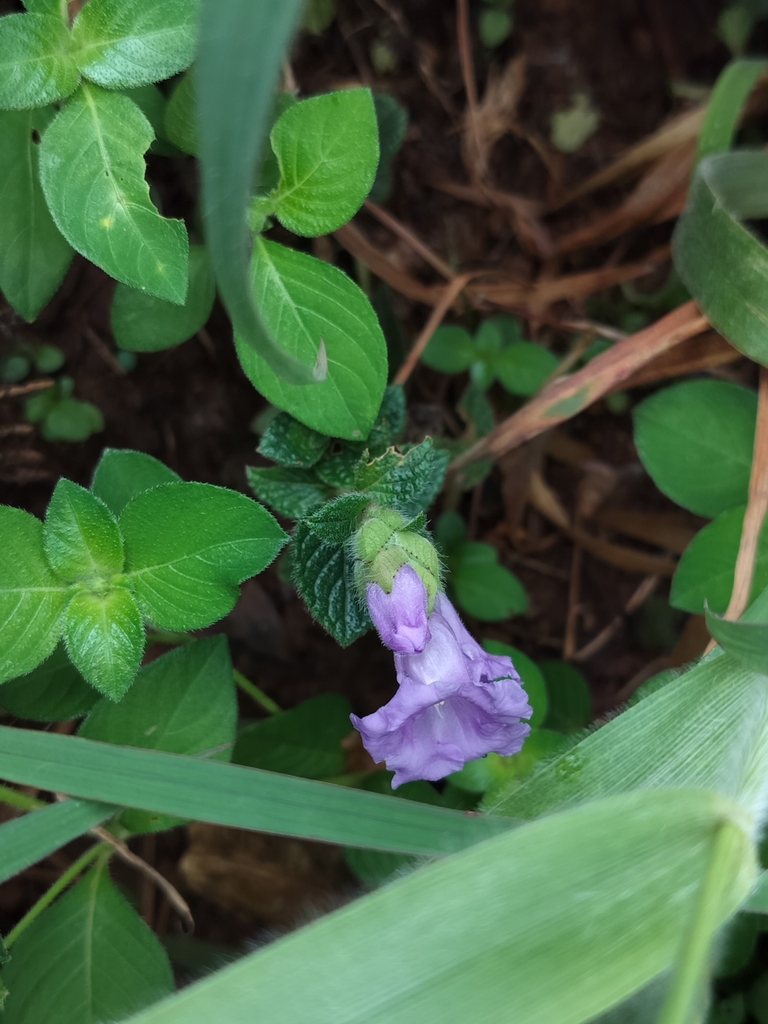
Strobilanthes callosa
- Origin
- Asia
- Part used
- See detailed notebook
- Tradition
- Traditional ethnobotany
In the damp forests and hills of India's western coast, Strobilanthes callosa grows quietly for many years before offering its spectacular bloom. Local communities, particularly in the Western Ghats, have long recognized soothing virtues in it for bodily pain. This discreet plant belongs to the large Acanthaceae family, rich in species with traditional uses.
Traditional uses
Relief of joint pain
The leaves and stems of Strobilanthes callosa were traditionally applied as a poultice on painful joints by certain communities of the Western Ghats.
Use on inflamed tissue
The crushed fresh plant was used locally to relieve areas of the body marked by swelling or inflammatory discomfort.
Traditional care for minor wounds
Certain folk practices report the use of fresh leaf paste on minor skin wounds, externally only.
Use with livestock
In certain rural regions, the crushed plant was traditionally used for livestock with stiffness or superficial wounds.
What to know before use
This plant remains very poorly documented scientifically: its internal use should be avoided in the absence of sufficient safety data. Reserved for traditional external use; do not ingest without the advice of a qualified professional. To be avoided in pregnant or breastfeeding women, as well as young children, as a precaution. Always perform a preliminary skin test before any application, due to the lack of allergy data.
The detailed notebook
- Prepared as a paste or decoction
- Traditional duration of use
- Known contraindications
- Related species and their uses
Where to find it
Partner herbalists — available with the detailed notebook.
Sources
PFAF, Wikipedia