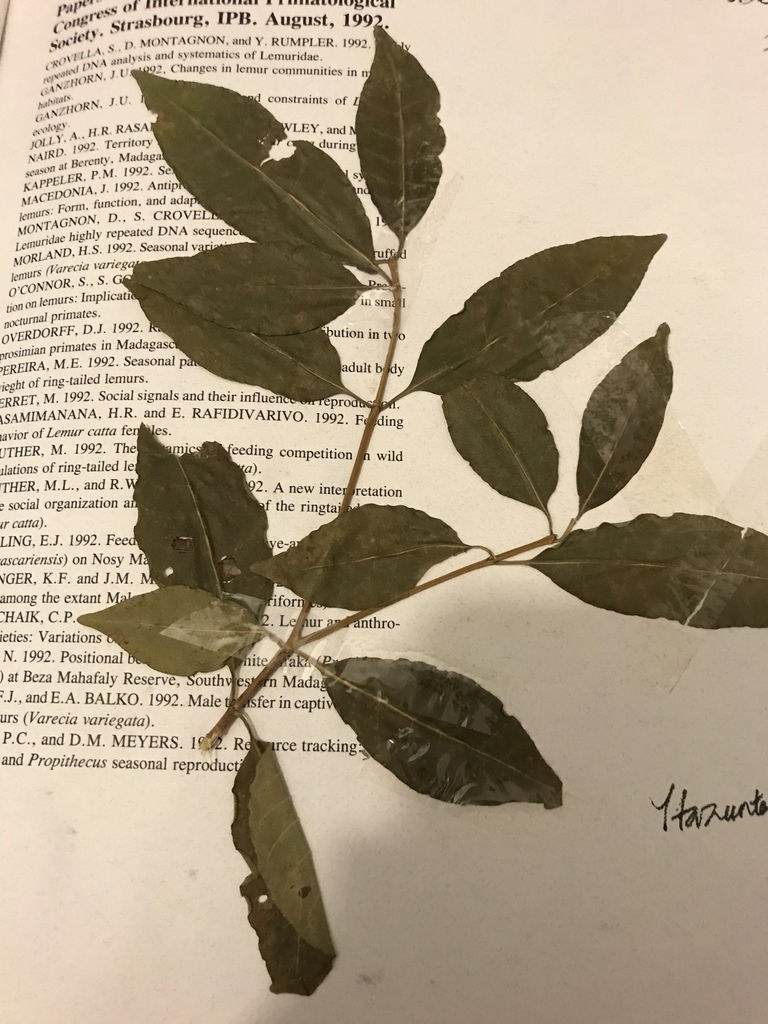
Tabernaemontana coffeoides
- Origin
- Africa
- Part used
- See detailed notebook
- Tradition
- Traditional ethnobotany
Native to the forests and undergrowth of Madagascar and tropical Africa, Tabernaemontana coffeoides belongs to the large Apocynaceae family, several members of which have fed local traditional pharmacopoeias. A shrub with a characteristic white latex, it has long been recognized by healers as a plant to be handled with discernment rather than an everyday tisane.
Traditional uses
Traditional care for skin wounds
The latex, or bark-based preparations, were traditionally applied to certain skin conditions, in Malagasy and East African customary use.
Digestive troubles and fevers
Root or bark decoctions were used empirically against digestive troubles and certain feverish states, according to local traditional medicine.
Easing various pains
Various parts of the plant have been used externally or in small internal amounts to relieve pain, within a traditional setting supervised by a healer.
Traditional antiparasitic use
Like other Tabernaemontana species, this one has sometimes been used in preparations aimed at fighting internal parasites, according to local knowledge passed down orally.
Before you use it
This plant belongs to a family (Apocynaceae) known for its alkaloids, potentially toxic at inappropriate doses; any use must be supervised by a professional familiar with the plant. The latex and certain parts may be irritating or toxic if taken internally; avoid prolonged contact with the eyes and mucous membranes. Formally discouraged in pregnant or breastfeeding women, as well as children, for lack of sufficient safety data. Do not combine with other treatments without medical advice, as interactions are possible due to the alkaloids present.
The detailed notebook
- Prepared as a paste or decoction
- Traditional duration of use
- Known contraindications
- Related species and their uses
Where to find it
Partner herbalists — available with the detailed notebook.
Sources
PFAF