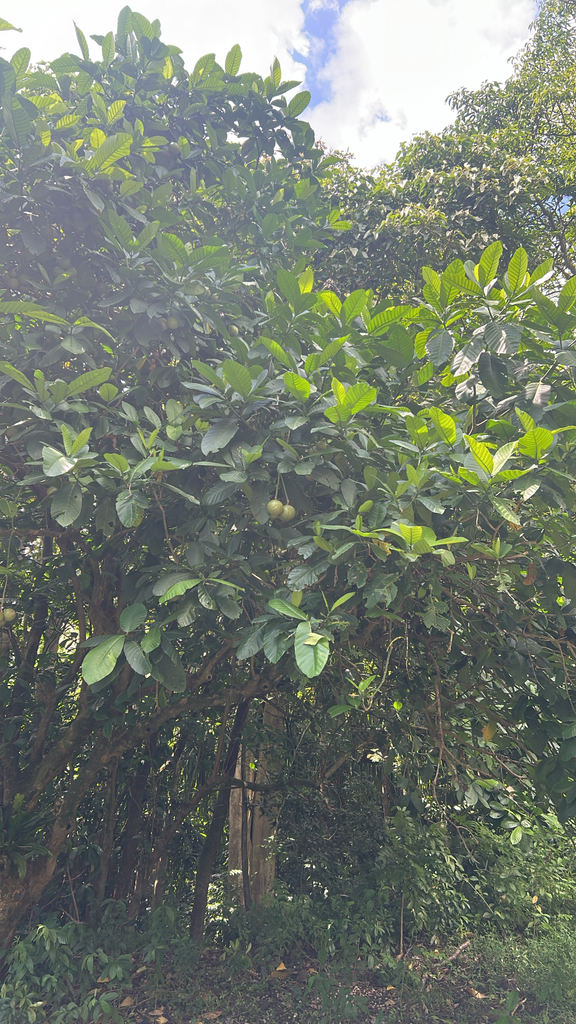
Tabernaemontana crassa
- Origin
- Africa
- Part used
- See detailed notebook
- Tradition
- Traditional ethnobotany
An undergrowth shrub of the humid forests of Central and West Africa, Tabernaemontana crassa has long been recognized by traditional healers for its milky latex and bitter bark. A member of the Apocynaceae family, it shares with its cousins a range of alkaloids that make it a plant to be handled with discernment rather than an everyday tisane.
Traditional uses
Bark decoction against pain
The trunk bark, made into a decoction, was traditionally used to soothe diffuse pain and inflammatory states in the body.
Latex applied to wounds
The fresh latex, applied locally, was used in certain village practices to treat wounds, skin conditions, and superficial irritation.
Traditional use against intestinal troubles
Bark or root preparations have been reported in traditional pharmacopoeia to accompany certain digestive and parasitic troubles.
Decoction used against feverish states
In several regions of West and Central Africa, bark decoction is among the traditional remedies invoked against episodes of fever.
Before you use it
A plant containing indole alkaloids whose effects and toxicity remain incompletely documented: medical advice or that of an experienced traditional healer is essential before any use. Latex and bark should be kept out of reach of children; internal use is not recommended without supervision. Formally avoid during pregnancy and breastfeeding, due to the lack of safety data and botanical kinship with species having uterine activity. Do not combine with other treatments or alkaloid-containing plants without the advice of a healthcare professional, for lack of data on interactions.
The detailed notebook
- Prepared as a paste or decoction
- Traditional duration of use
- Known contraindications
- Related species and their uses
Where to find it
Partner herbalists — available with the detailed notebook.
Sources
PFAF, Wikipedia