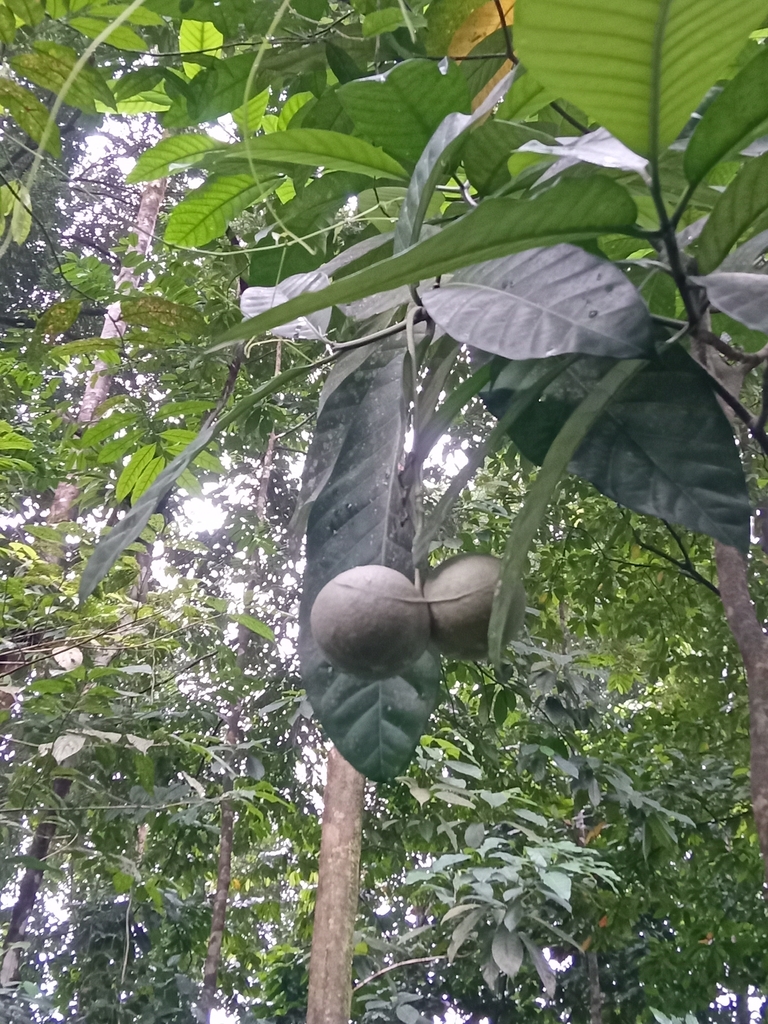
Tabernaemontana pachysiphon
- Origin
- Africa
- Part used
- See detailed notebook
- Tradition
- Traditional ethnobotany
A shrub of the humid undergrowth of tropical Africa, Tabernaemontana pachysiphon is recognizable by its abundant white latex and large, fragrant white flowers. Traditional healers of Central and West Africa credited it with various virtues, passed down orally through generations. A member of the Apocynaceae family, it shares with its cousins a richness in alkaloids that calls for great caution.
Traditional uses
Traditional wound care
The latex was applied locally to certain skin lesions or warts in several traditional African pharmacopoeias. This external use remains the best documented among the plant's folk uses.
Bark against diffuse pain
Bark or root decoctions were traditionally used to soothe certain bodily or joint pain in West African folk medicine.
Traditional use against intestinal troubles
Some rural communities report a use of bark-based preparations to accompany digestive or intestinal troubles, though scientific documentation remains limited.
Old use against parasites
In certain regions, the plant was associated with traditional dewormer uses, a reported but poorly detailed use in available sources.
Before you use it
The plant contains indole alkaloids whose potential toxicity is documented in several species of the genus Tabernaemontana; any ingestion must be under the supervision of a qualified professional. The latex can cause skin or eye irritation; avoid any contact with mucous membranes and eyes. Use is discouraged in pregnant or breastfeeding women, as well as children, for lack of sufficient safety data. Do not combine with other treatments or substances without medical advice, due to a still poorly documented interaction risk.
The detailed notebook
- Prepared as a paste or decoction
- Traditional duration of use
- Known contraindications
- Related species and their uses
Where to find it
Partner herbalists — available with the detailed notebook.
Sources
PFAF