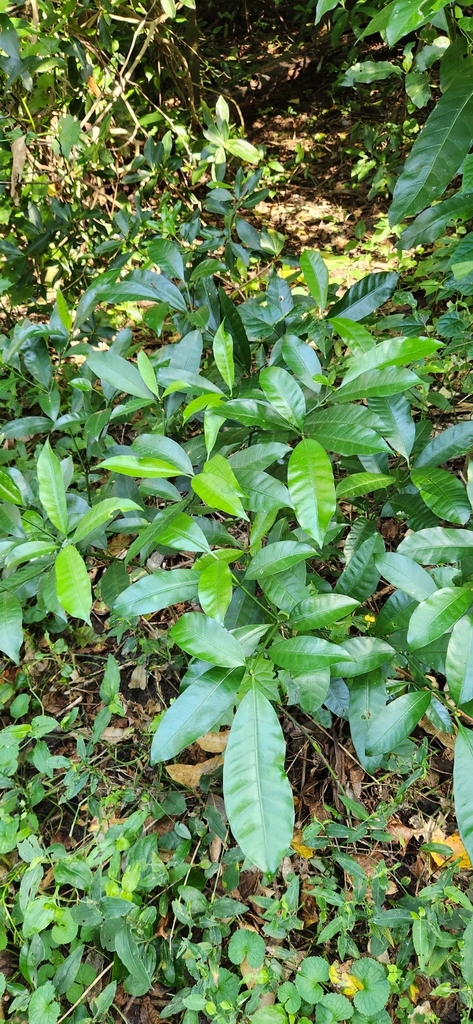
Tabernaemontana ventricosa
- Origin
- Africa
- Part used
- See detailed notebook
- Tradition
- Traditional ethnobotany
Tabernaemontana ventricosa, a shrub with milky latex and fragrant white flowers, belongs to the large Apocynaceae family whose uses southern and eastern Africa have long explored. In Bantu and Zulu traditions in particular, the bark, roots, and latex of this tree were reserved for specific uses, often surrounded by precautions, as the plant is reputed to be powerful. Its very name, linked to that of the botanist Tabernaemontanus, recalls how long ago it was studied by traveling herbalists.
Traditional uses
Latex on skin conditions
The plant's white latex was traditionally applied to warts, wounds, or localized skin irritation, in very limited, occasional application.
Bark in external use
Bark decoctions were used externally in traditional practice to soothe certain muscle or joint pain, applied locally.
Roots in traditional pharmacopoeia
The roots featured in certain traditional southern African preparations for internal uses closely supervised by traditional healers, in connection with reported digestive or nervous troubles.
Symbolic and ritual use
Like many latex-bearing plants of this family, Tabernaemontana ventricosa has been associated with ritual or protective uses in certain communities, more symbolic than therapeutic.
Before you use it
The latex and alkaloids present in Apocynaceae of this genus are potentially toxic; any internal use is to be avoided without supervision by a qualified professional. Never apply the latex to large areas of skin or to mucous membranes, eyes, or deeply broken skin. This plant is to be entirely avoided in pregnant or breastfeeding women, as well as children, due to the lack of safety data. No self-medication should be considered: the traditional uses reported belong to the knowledge of experienced healers and cannot be safely replicated.
The detailed notebook
- Prepared as a paste or decoction
- Traditional duration of use
- Known contraindications
- Related species and their uses
Where to find it
Partner herbalists — available with the detailed notebook.
Sources
PFAF