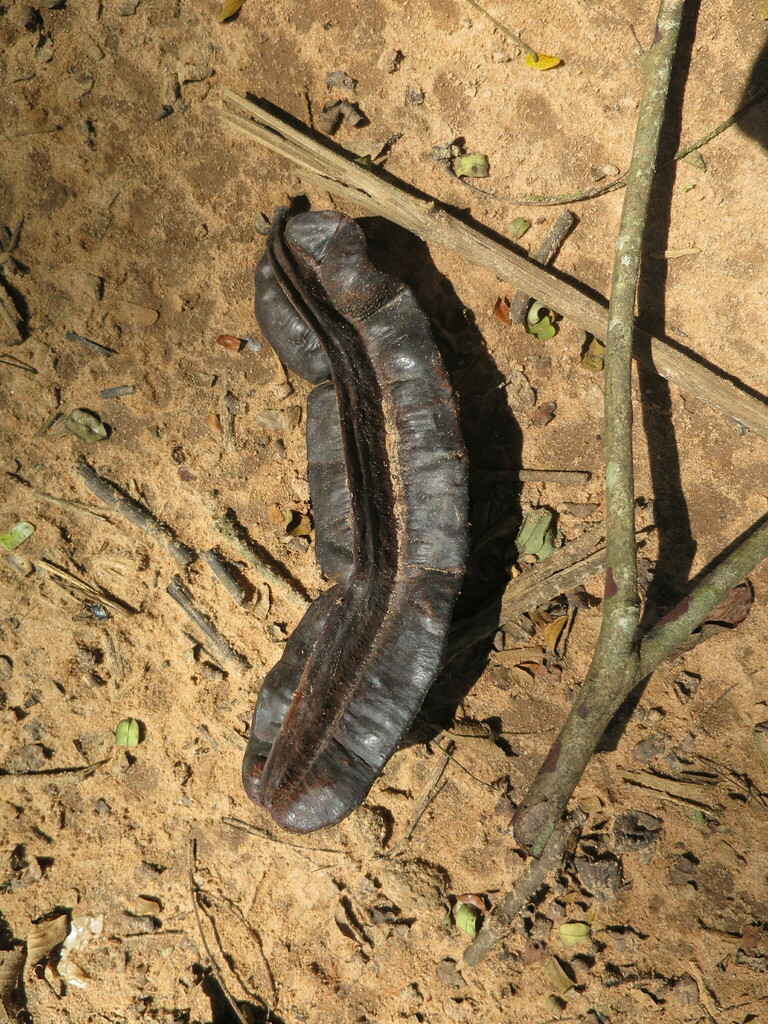
Tetrapleura tetraptera
- Origin
- Africa
- Part used
- See detailed notebook
- Tradition
- Traditional ethnobotany
In West Africa, Tetrapleura tetraptera is a tree respected for generations, known as "prékéssé" among certain peoples, for its aromatic, four-winged pods. Its roots, bark, and fruit have long been used in healing traditions and household rites, for both body and home.
Traditional uses
Traditional digestive support
The root was traditionally prepared as a decoction to accompany digestive troubles and abdominal discomfort, according to West African folk uses.
Easing diffuse pain
Traditional healers used the root, often combined with other parts of the tree, to relieve rheumatism and joint pain.
Traditional use against fevers
Root decoction is among the folk remedies mobilized during feverish episodes or parasitic conditions, in several local pharmacopoeias.
Uses related to the gynecological sphere
Some traditions report a use of the root in preparations meant to support postpartum recovery or regulate the female cycle, a use to be approached with great caution.
Before you use it
Use reserved for adults, under the supervision of a healthcare professional or an experienced traditional healer, due to a lack of precise toxicity data. Strongly discouraged during pregnancy and breastfeeding, as certain traditional uses are linked to the reproductive sphere. Do not exceed occasional, one-off preparations; avoid any prolonged use without qualified advice. Possible interactions with ongoing medication; seek advice before any combination.
The detailed notebook
- Prepared as a paste or decoction
- Traditional duration of use
- Known contraindications
- Related species and their uses
Where to find it
Partner herbalists — available with the detailed notebook.
Sources
PFAF, PubMed