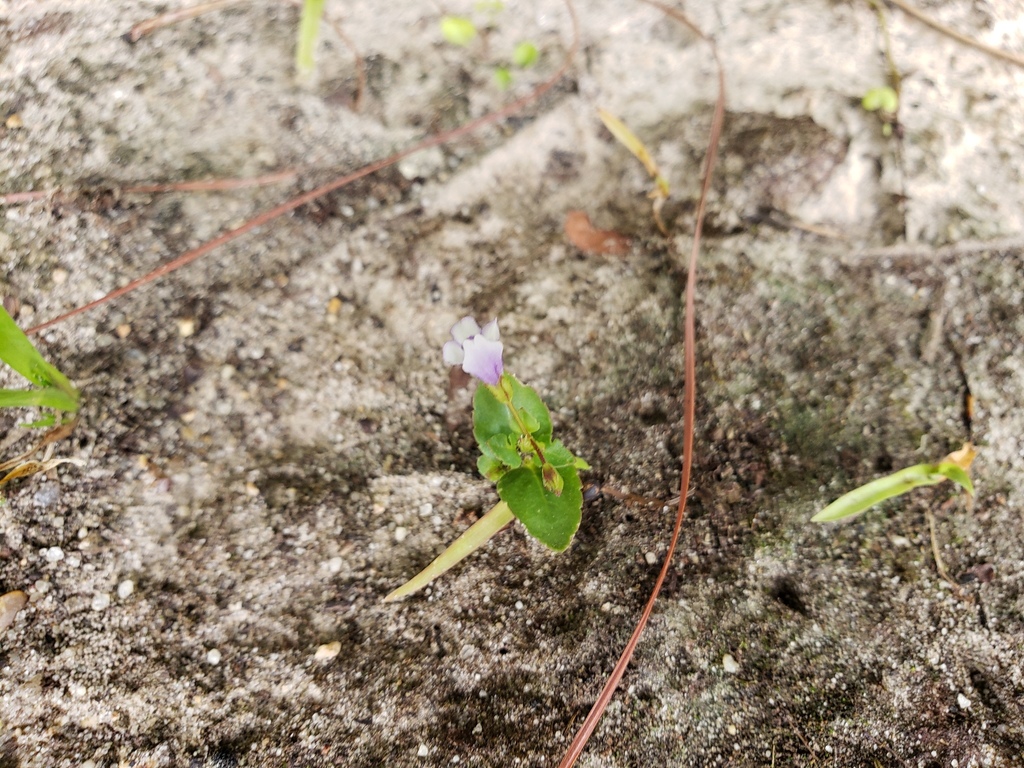
Torenia crustacea
- Origin
- Asia
- Part used
- Leaves
- Tradition
- Traditional ethnobotany
A discreet herb of the rice paddies and damp paths of East Asia, Torenia crustacea was long gathered by folk herbalists in China and Southeast Asia. Modest in appearance, it held a quiet place in village pharmacopeia, reserved mainly for everyday minor ailments.
Traditional uses
Cooling for mild fever
The leaves were traditionally infused to help soothe mild feverish states, according to folk uses in Chinese medicine, which classifies it among the 'cooling' plants.
Soothing superficial skin conditions
Applied locally, the leaf decoction was used to cleanse and calm minor irritations, insect bites, or skin rashes.
Mild digestive support
Consumed as a light herbal tea, the plant featured in certain traditional uses aimed at relieving minor digestive discomfort and feelings of heaviness.
A traditional diuretic use
In certain regions, it was credited with an action promoting urinary elimination, as part of broader folk remedies.
What to know before use
A traditional use with little scientific documentation: seek the advice of a health professional before any use, particularly internal. Not recommended for pregnant or breastfeeding women, for lack of sufficient safety data. Do not give to young children without medical advice. Avoid self-gathering without certain botanical identification, due to the risk of confusion with other similar herbaceous species.
The detailed notebook
- Prepared as a paste or decoction
- Traditional duration of use
- Known contraindications
- Related species and their uses
Where to find it
Partner herbalists — available with the detailed notebook.
Sources
Wikipedia