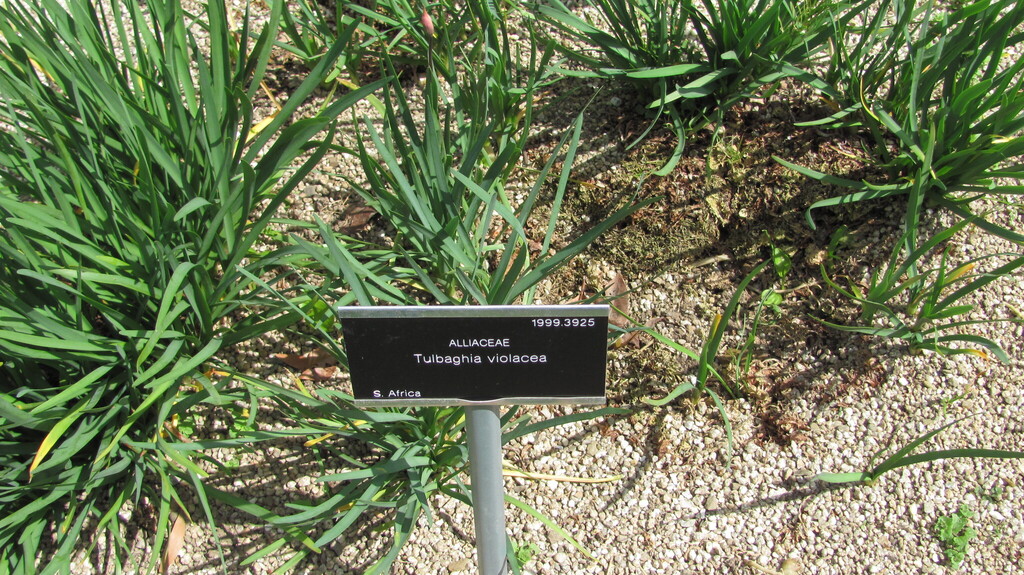
Tulbaghia violacea
- Origin
- Africa
- Part used
- See detailed notebook
- Tradition
- Traditional ethnobotany
Native to southern Africa, Tulbaghia violacea, nicknamed "wild garlic" or "wild onion" for its characteristic scent, has long been grown near Zulu and Xhosa homes. Its mauve flowers and fragrant foliage have made it at once a garden vegetable, a folk remedy, and a guardian of doorways, planted, according to tradition, to keep snakes and evil spirits away.
Traditional uses
Traditional respiratory support
Leaves and bulbs, prepared as a decoction, were traditionally used in southern Africa to soothe coughs, colds, and congestion, in line with the uses attributed to garlic-family plants.
A plant for digestive ground
Eaten raw or cooked as a condiment, Tulbaghia was said to promote good digestion and stimulate appetite, in the manner of other traditional alliaceous plants.
Local application on the skin
The juice of crushed leaves was traditionally applied to the skin for its reported purifying virtues, particularly for minor skin conditions.
A protective plant for the home
Planted near houses in Zulu tradition, it was considered a symbolic barrier against snakes and negative influences, a use more cultural than therapeutic.
Before you use it
Traditional use is poorly documented by modern research: caution requires not exceeding occasional, moderate use. Strongly discouraged in pregnancy or breastfeeding, as certain traditional uses credit it with an action on the hormonal sphere. May interact with medication, particularly anticoagulants or antihypertensives, like other alliaceous plants; seek the advice of a healthcare professional. Avoid prolonged contact of the fresh juice with mucous membranes or sensitive skin, as irritation has been reported.
The detailed notebook
- Prepared as a paste or decoction
- Traditional duration of use
- Known contraindications
- Related species and their uses
Where to find it
Partner herbalists — available with the detailed notebook.
Sources
PFAF