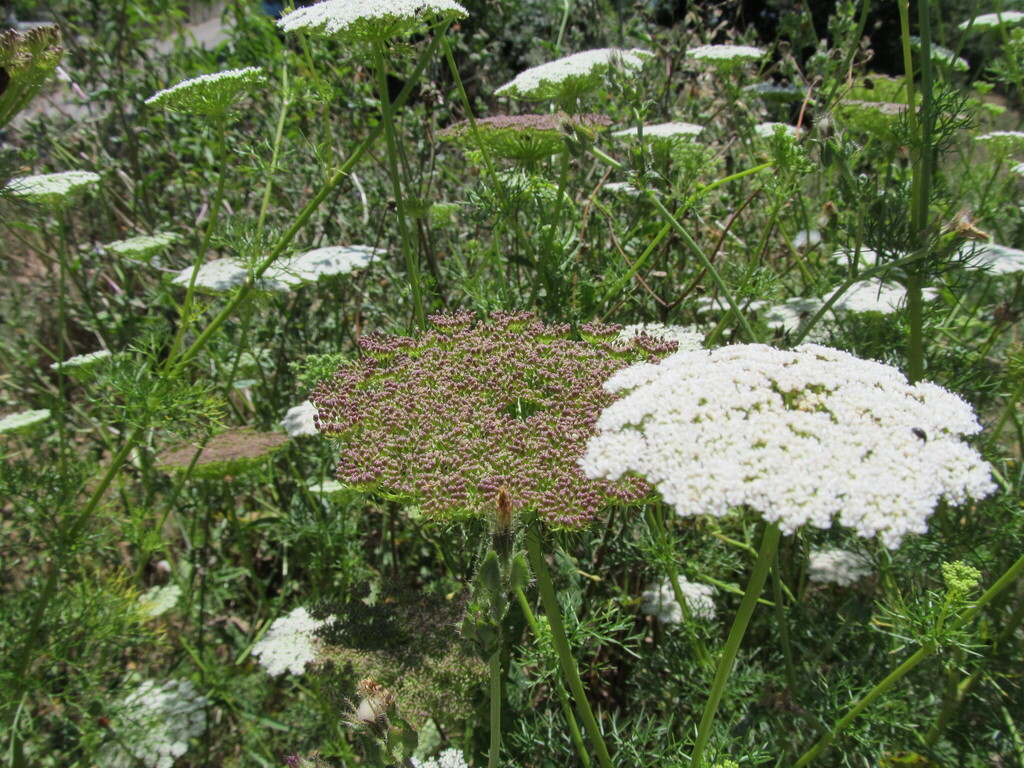
Visnaga daucoides
- Origin
- Europe
- Part used
- See detailed notebook
- Tradition
- Traditional ethnobotany
Also known as ammi visnaga or "toothpick weed," this Mediterranean umbellifer was used since ancient Egypt, where its dried umbels already served as rustic toothpicks. Traditional herbalists of the Mediterranean basin credited it with soothing properties for the urinary tract and bronchi, passed down from generation to generation.
Traditional uses
Traditional urinary comfort
Visnaga fruits were traditionally used to support urinary comfort, particularly in case of stones or a feeling of kidney heaviness.
Support for breathing
In old Mediterranean pharmacopoeia, the plant was used to support breathing during occasional bronchial discomfort.
Light circulatory comfort
Some traditional uses report visnaga being used to help with a feeling of circulatory heaviness, alongside other plants.
Easing digestive spasms
The whole dried plant was sometimes infused to calm mild digestive spasms, according to folk uses around the Mediterranean.
Before you use it
A plant containing photosensitizing furanocoumarins: avoid prolonged sun exposure after use. Do not use without the advice of a health professional if undergoing medical treatment (possible interactions, particularly with anticoagulants or photosensitizing drugs). Discouraged for pregnant or breastfeeding women, as well as children, in the absence of sufficient data. Prolonged or high-dose use should be avoided; consult a herbalist or doctor before any regular use.
The detailed notebook
- Prepared as a paste or decoction
- Traditional duration of use
- Known contraindications
- Related species and their uses
Where to find it
Partner herbalists — available with the detailed notebook.
Sources
PFAF, PubMed, Wikipedia