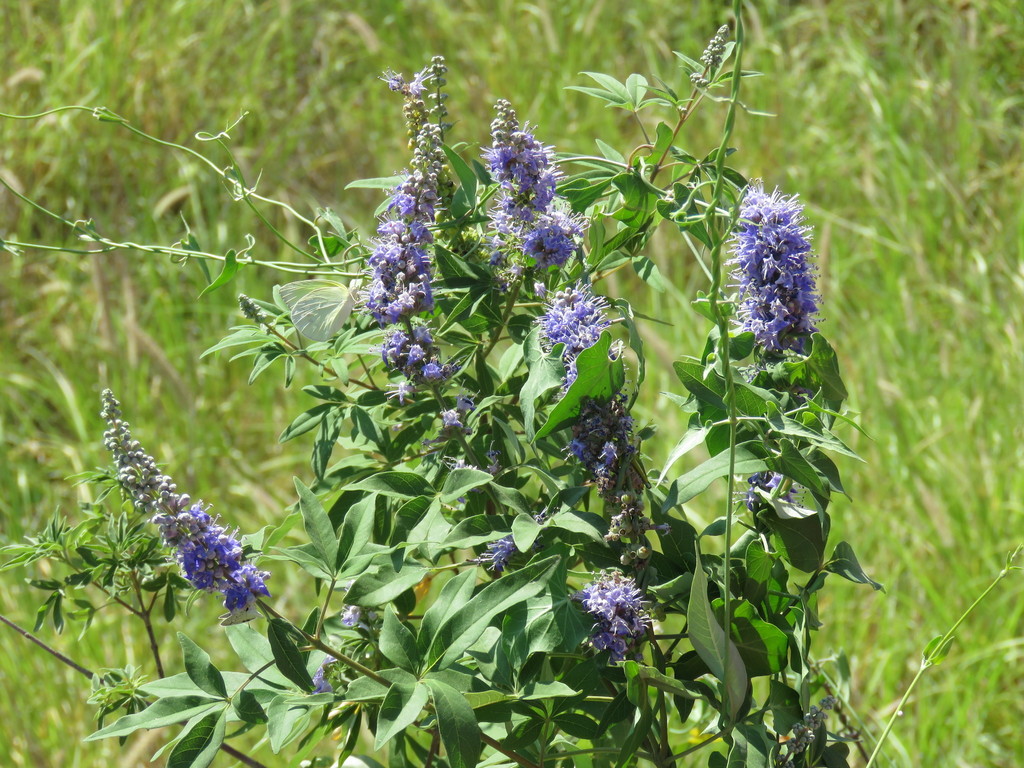
Vitex agnus-castus
- Origin
- Europe
- Part used
- Leaves, Flowers
- Tradition
- Traditional ethnobotany
Chaste tree, a shrub of Mediterranean shores, owes its name "agnus-castus" (chaste lamb) to an old reputation: monks once used it to encourage temperance. Since ancient Greece, its berries and flowers have accompanied women through cycle imbalances, passed down from generation to generation by herbalists.
Traditional uses
Support for the menstrual cycle
Traditionally used to support the regularity of the menstrual cycle and ease the discomfort that comes with it.
Comfort before menstruation
Chaste tree was reported by herbalists as a traditional support during periods of tension and irritability preceding menstruation.
The menopause transition
Some folk traditions mention its use to help women through the hormonal changes of perimenopause.
Traditional use in old cosmetics
Dried flowers sometimes went into preparations meant for skin care, according to less well-documented local uses.
Before you use it
A plant with recognized hormonal activity: its use is discouraged during pregnancy and breastfeeding. Not suitable for children, nor for use alongside hormonal treatment (contraception, fertility treatment) without prior medical advice, because of possible interactions. The advice of a health professional or a qualified herbalist is recommended before any prolonged use. Stop use and consult a doctor in case of unusual cycle irregularities or unexpected symptoms.
The detailed notebook
- Prepared as a paste or decoction
- Traditional duration of use
- Known contraindications
- Related species and their uses
Where to find it
Partner herbalists — available with the detailed notebook.
Sources
PFAF, Wikipedia