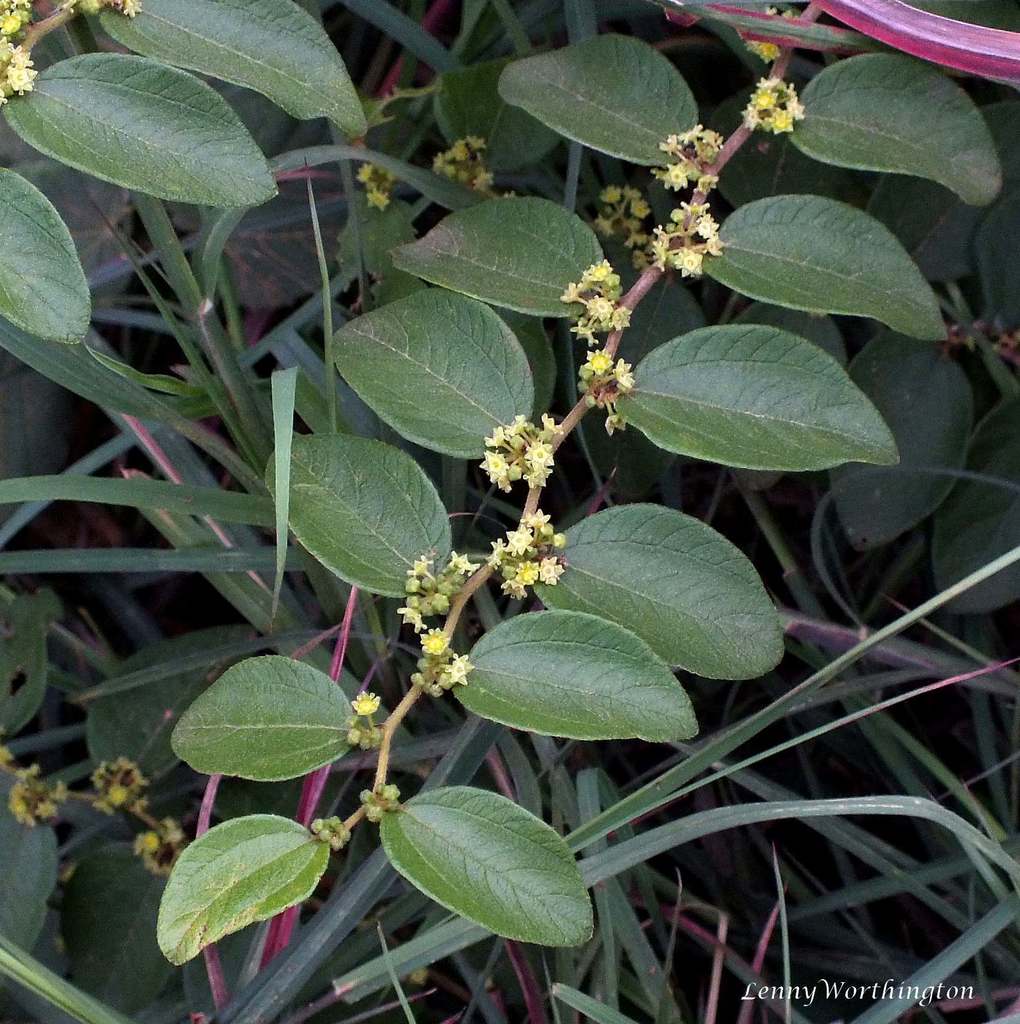
Ziziphus oenoplia
- Origin
- Asia
- Part used
- Bark
- Tradition
- Traditional ethnobotany
In the thorny undergrowth of South and Southeast Asia, Ziziphus oenoplia has for generations found its way into the practices of itinerant herbalists and village healers. Its rough bark, more than its unassuming fruit, has nourished a body of knowledge passed down orally, somewhere between a household remedy and a remedy of necessity.
Traditional uses
Relief of digestive troubles
The bark was traditionally decocted to soothe intestinal discomfort and episodes of diarrhea, according to folk uses reported in India and Southeast Asia.
Help with feverish states
Certain rural traditions attributed fever-reducing virtues to the bark, used as a decoction during episodes of fever.
External use for minor wounds
Applied locally, preparations made from crushed or decocted bark were used to cleanse and promote the healing of minor skin wounds.
A traditional tonic remedy
In certain village pharmacopeia, the bark featured in tonic preparations intended to support general vitality after a period of weakness.
What to know before use
A traditional use with little scientific documentation: caution is advised and the advice of a health professional is recommended before any use. To be avoided in pregnant or breastfeeding women, as well as young children, for lack of sufficient safety data. Do not combine with other medication treatments without medical advice, due to the lack of studies on possible interactions. Reserve internal use for well-identified preparations in moderate amounts, as the bark is not a common food plant.
The detailed notebook
- Prepared as a paste or decoction
- Traditional duration of use
- Known contraindications
- Related species and their uses
Where to find it
Partner herbalists — available with the detailed notebook.
Sources
PFAF, Wikipedia