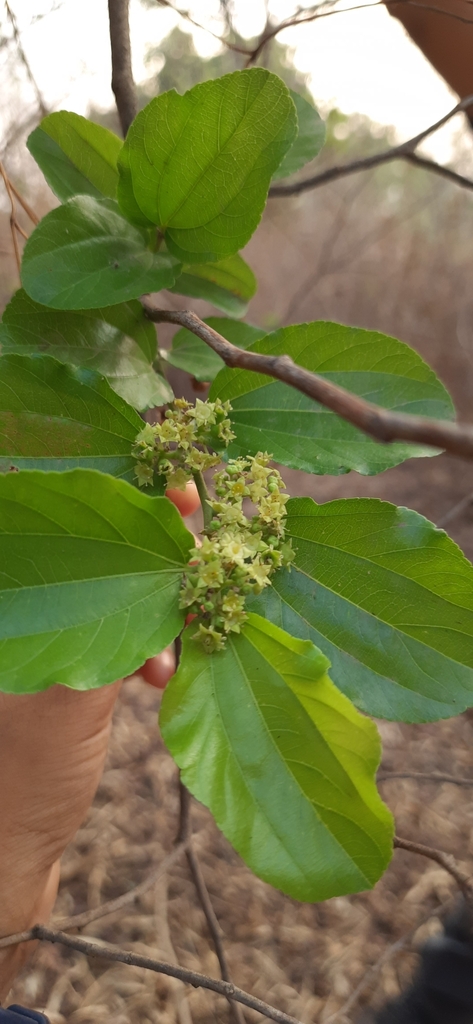
Ziziphus rugosa
- Origin
- Asia
- Part used
- See detailed notebook
- Tradition
- Traditional ethnobotany
Beneath the warm forest canopies of India and Southeast Asia, Ziziphus rugosa has unfurled its thorny vines for generations without folk memory ever losing track of it. Traditional healers of these regions have, over time, made it a discreet companion for everyday ailments.
Traditional uses
Soothing digestive troubles
The bark and roots were traditionally used as a decoction to calm stomach disorders, particularly diarrhea, according to uses reported in certain South Asian folk medicines.
Care for wounds and skin conditions
The paste obtained from crushed leaves or bark was applied locally to wounds, cuts, and skin irritation in traditional village practices.
A traditional use against pain
The roots and bark featured in preparations intended to relieve joint and muscle pain, according to local folk pharmacopeia.
A traditional fever-reducing use
Certain rural communities used decoctions of this plant as a traditional remedy against feverish states, alongside other local plants.
What to know before use
A plant with little scientific study: caution is advised, particularly regarding dosage and duration of use. Internal use is not recommended without the advice of a qualified health professional, particularly in pregnant or breastfeeding women and children. Do not use if undergoing medication treatment without having consulted a doctor or pharmacist, for lack of data on possible interactions. For skin application, perform a preliminary test on a small area of skin to rule out any risk of allergic reaction.
The detailed notebook
- Prepared as a paste or decoction
- Traditional duration of use
- Known contraindications
- Related species and their uses
Where to find it
Partner herbalists — available with the detailed notebook.
Sources
PFAF