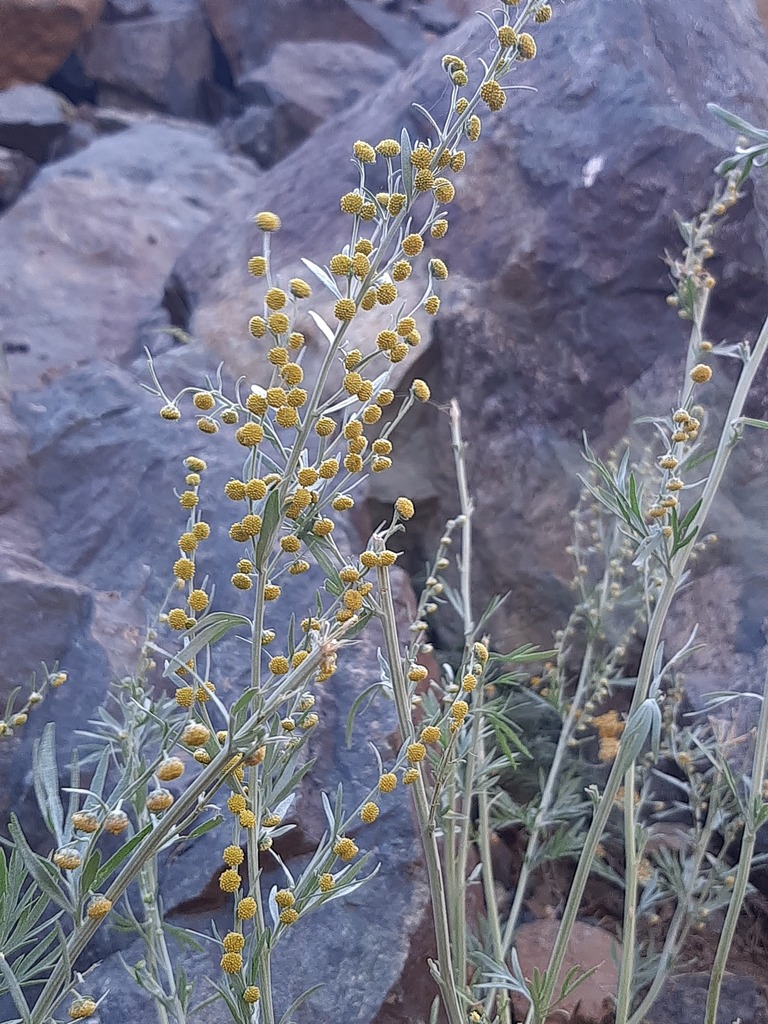
Wormwood
- Origin
- Europe
- Part used
- See detailed notebook
- Tradition
- Traditional ethnobotany
Wormwood was once nicknamed the "worm herb" or "bitter wormwood," so highly did the old herbalists prize its powerful bitterness. Native to the dry lands of Europe, it long featured in folk remedies meant to revive a sluggish appetite and support digestion. Its reputation, also tinged with the legends surrounding the liqueur that bears its name, makes it a plant to be handled with respect and moderation.
Traditional uses
Stimulating appetite and digestion
Traditionally, Wormwood was taken in small amounts before meals to revive a flagging appetite and ease slow digestion, thanks to its pronounced bitterness.
Traditional metabolic support
Bitters such as Wormwood were valued in folk tradition to accompany cures aimed at stimulating digestive and metabolic function.
Ancestral use as a vermifuge
As its common name suggests, Wormwood was long used internally in traditional practice to fight intestinal parasites, particularly in livestock and occasionally in humans.
Applied as compresses and poultices
Used externally, infused leaves traditionally served as compresses to ease sore areas or bruises.
Before you use it
Never consume over a prolonged period or in high doses: Wormwood contains thujone, a neurotoxic substance at high concentration. Contraindicated during pregnancy and breastfeeding due to its traditionally reported uterine-stimulant action. Avoid in people with epilepsy or neurological disorders, and in children. Consult a healthcare professional before any internal use, particularly if taking other medication.
The detailed notebook
- Prepared as a paste or decoction
- Traditional duration of use
- Known contraindications
- Related species and their uses
Where to find it
Partner herbalists — available with the detailed notebook.
Sources
Wikipedia