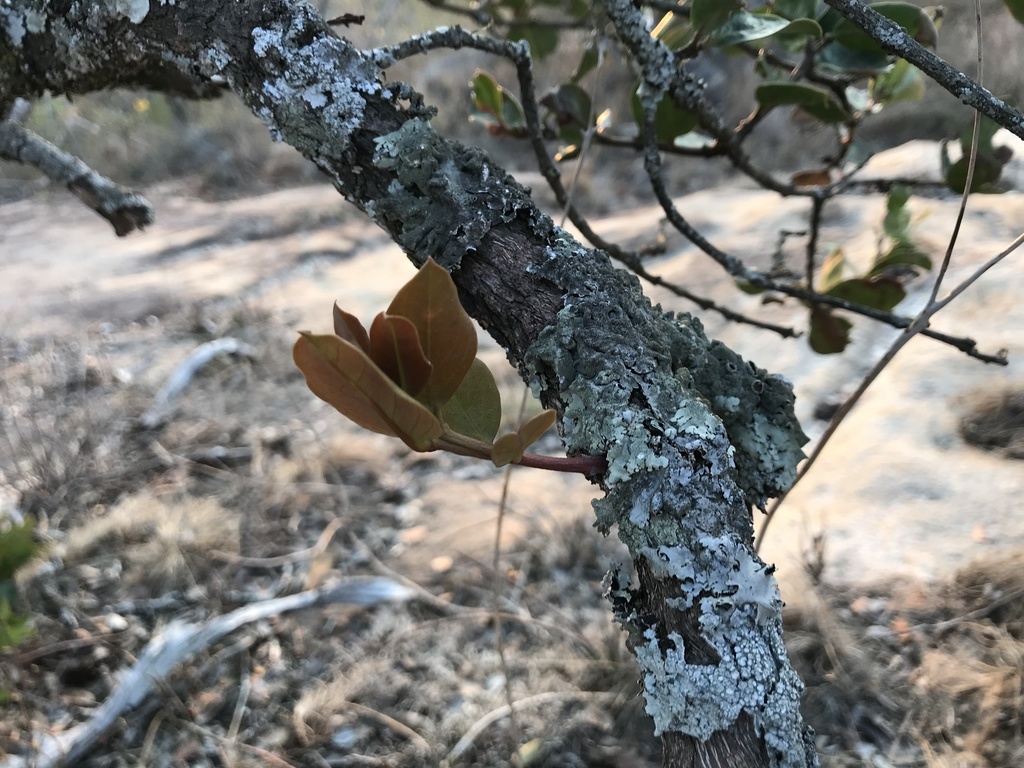
Acokanthera schimperi
- Origin
- Africa
- Part used
- See detailed notebook
- Tradition
- Traditional ethnobotany
Acokanthera schimperi, a shrub of the East African highlands, is wrapped in a fearsome reputation: its bitter saps have long been used to poison hunting and war arrows. Yet in the notebooks of old Ethiopian and Kenyan healers, a few measured and closely supervised uses are also attributed to it, far removed from any ordinary domestic use.
Traditional uses
Traditional care for eye conditions
Certain East African traditions report the use of highly diluted root- or bark-based preparations for eye troubles, applied with extreme caution and know-how passed down orally.
External use on select wounds
The bark and roots were sometimes used in very localized external applications by traditional practitioners, in specific ritual or therapeutic contexts, never in self-medication.
Occasional traditional rubs
In certain regions, preparations made from diluted bark are said to have been used as an external rub against joint pain, always under the supervision of someone knowledgeable about the plant.
A hunting and protective plant
Historically, the highly toxic sap and fruit were used mainly to prepare arrow poisons, which attests to the power of this plant long before any therapeutic use.
What to know before use
A plant strongly toxic in all its parts, particularly the seeds, fruit, and sap: uncontrolled internal use can be fatal. Never use without the supervision of an experienced traditional practitioner or a qualified health professional. Contraindicated under all circumstances for pregnant or breastfeeding women, children, and people undergoing cardiac treatment (risk of interaction with cardiotonic glycosides). Keep strictly out of reach of children and animals; any confusion with another plant can be dangerous.
The detailed notebook
- Prepared as a paste or decoction
- Traditional duration of use
- Known contraindications
- Related species and their uses
Where to find it
Partner herbalists — available with the detailed notebook.
Sources
PFAF, PubMed