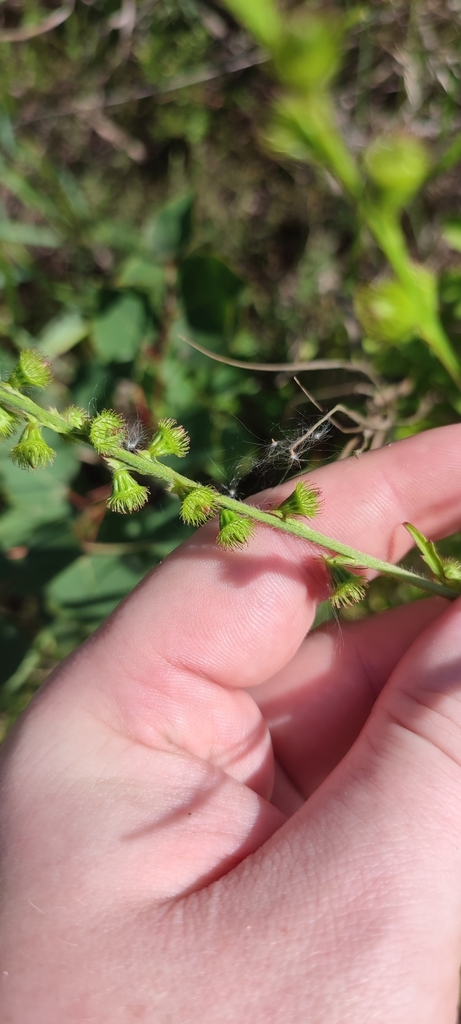
Agrimonia pilosa
- Origin
- Asia
- Part used
- See detailed notebook
- Tradition
- Traditional ethnobotany
In the countryside of East Asia, hairy agrimony — Xian He Cao to traditional Chinese herbalists — grows discreetly along paths and rice paddies. Gathered for centuries, it holds a modest but constant place in the notebooks of traditional pharmacopeia, particularly for soothing irritated tissue and aiding healing.
Traditional uses
Relief for overworked joints
The dried whole plant was traditionally infused to help with everyday muscle and joint tension, particularly after exertion or in damp weather.
Care for minor skin wounds
Applied as a compress, the agrimony decoction was used to clean small cuts, scrapes, and irritations, for skin hygiene and soothing.
Digestive comfort after meals
In China and Korea, a light herbal tea of this plant traditionally helped with occasional digestive discomfort and temporary loose stools.
Traditional support in cases of fatigue
Some Asian herbal notebooks mention its use as a mild tonic, particularly after minor bleeding or during convalescence.
What to know before use
Avoid prolonged use without the advice of a health professional trained in herbal medicine, due to a lack of data on long-term toxicity. Not recommended during pregnancy and breastfeeding as a precaution, for lack of sufficient data. Do not combine with anticoagulant or clotting-promoting treatments without medical advice, as certain traditional uses suggest an effect on the blood. Keep out of reach of children; pediatric use is not reliably documented.
The detailed notebook
- Prepared as a paste or decoction
- Traditional duration of use
- Known contraindications
- Related species and their uses
Where to find it
Partner herbalists — available with the detailed notebook.
Sources
PFAF, Wikipedia