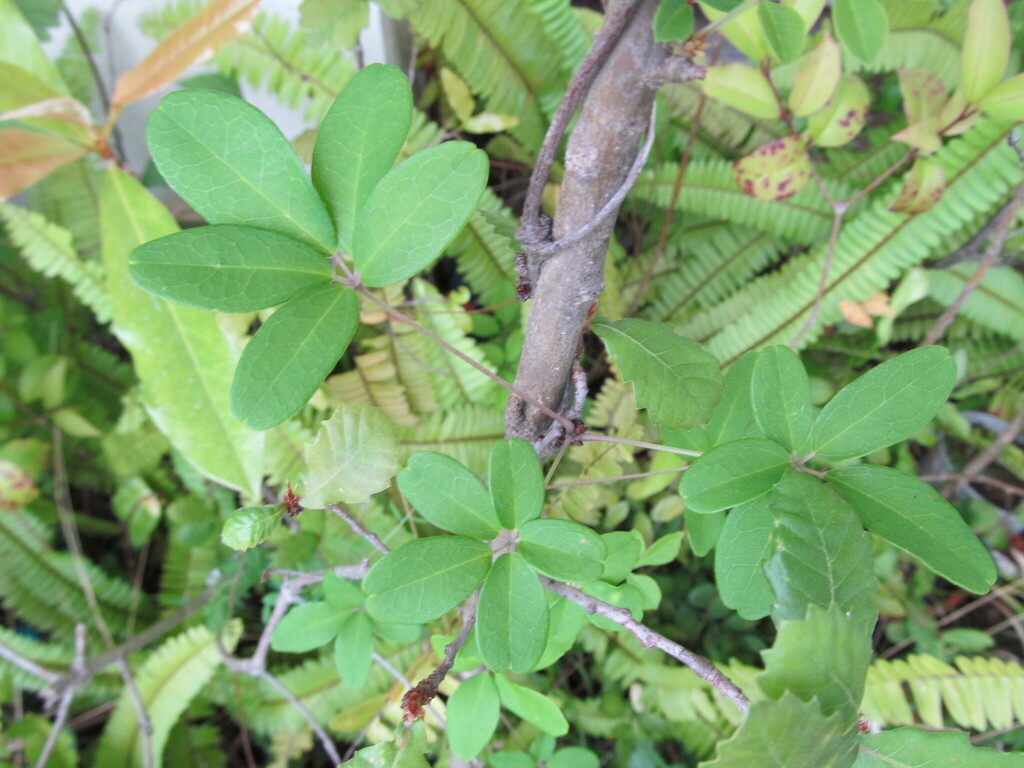
Akebia
- Origin
- Asia
- Part used
- Leaves, Root
- Tradition
- Traditional ethnobotany
A climbing vine of Far Eastern forests, akebia (Akebia quinata) has long been known in China and Japan, where its stem — called mu tong in traditional Chinese pharmacopeia — is among the plants used to "move" the body's energies and fluids. Its purplish fruits were also locally prized, while the root and stem held a place in traditional Asian herbal preparations.
Traditional uses
Traditional support for the urinary tract
The stem and root of akebia were traditionally used in China to promote urinary elimination and support comfort of the lower urinary tract.
Promoting circulation according to Chinese medicine
In Chinese pharmacopeia, akebia is classified among the so-called "circulation-moving" plants, used to clear stagnation and support the flow of fluids.
Traditional soothing of inflamed tissue
Stem decoctions were sometimes used traditionally to soothe mild inflammation, particularly of the joints or skin, according to reported folk uses.
Occasional traditional digestive use
Some Asian folk traditions mention an occasional use of akebia to support sluggish digestive transit, alongside other plants.
What to know before use
Akebia (particularly as dried stem or root, mu tong) has been the subject of historical health alerts linked to confusion with plants of the Aristolochia family, which are potentially nephrotoxic: the precise botanical origin must be verified before any use. Not recommended for pregnant or breastfeeding women, or children, in the absence of sufficient safety data. Do not use in cases of kidney failure or pre-existing kidney disease. Prolonged or high-dose use should be avoided; it is recommended to consult a health professional or qualified herbalist before any internal use.
The detailed notebook
- Prepared as a paste or decoction
- Traditional duration of use
- Known contraindications
- Related species and their uses
Where to find it
Partner herbalists — available with the detailed notebook.
Sources
PFAF, Wikipedia