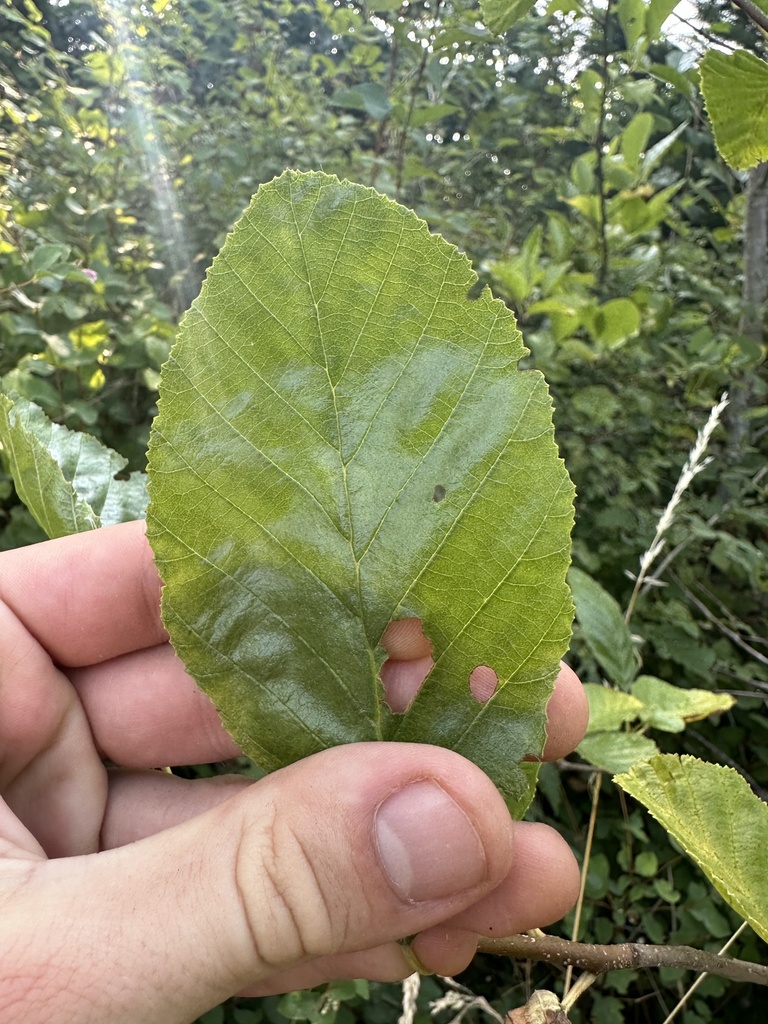
Alnus rhombifolia
- Origin
- North America
- Part used
- See detailed notebook
- Tradition
- Traditional ethnobotany
On the banks of Western American waterways, white alder raised its slender silhouettes, familiar to the Indigenous peoples who drew bark and wood from it. A riverbank tree par excellence, it held a quiet but steady place in local traditional pharmacopoeias, particularly among certain Pacific Northwest and Californian nations. Its use belongs to an oral tradition, passed down from generation to generation, more than to learned texts.
Traditional uses
Traditional care for wounds and irritation
The bark, made into a decoction, was used as an external wash to soothe skin conditions and certain irritation. This use is among the most reported in the region's Native American traditions.
Traditional astringent
Because of its tannin content, alder bark was sometimes used as a mild decoction for its traditional astringent properties, particularly for minor digestive complaints.
Use for colds
Some oral traditions report the use of bark preparations during colds or mild feverish states, alongside other local plants.
Dye and ritual bark
Beyond internal use, the bark traditionally served to dye nets, hides, and objects, a use that sometimes accompanied more symbolic or ceremonial purposes.
Before you use it
The high tannin content can, at high or prolonged doses, cause digestive irritation; cautious, moderate use is recommended. The traditional internal uses of this bark remain poorly documented scientifically: the advice of a health professional or an experienced herbalist is recommended before any use. Avoid use in pregnant or breastfeeding women and young children, for lack of sufficient data. Do not confuse it with other alder species or trees with similar bark; rigorous botanical identification is essential before any harvesting.
The detailed notebook
- Prepared as a paste or decoction
- Traditional duration of use
- Known contraindications
- Related species and their uses
Where to find it
Partner herbalists — available with the detailed notebook.
Sources
PFAF, Wikipedia