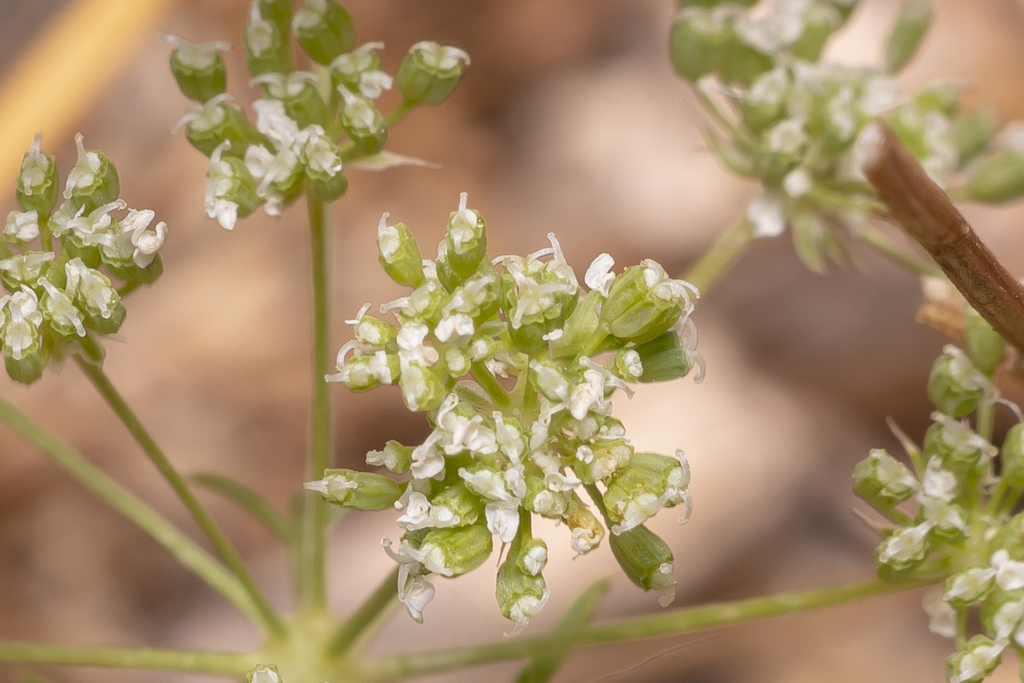
Greater Ammi
- Origin
- Africa
- Part used
- Seeds / fruit
- Tradition
- Traditional ethnobotany
Native to the banks of the Nile and Egyptian lands, greater ammi has accompanied healers of the Mediterranean basin and North Africa since antiquity. Its seeds, rich in furocoumarins, were long associated with skin conditions marked by light patches, before modern science isolated their active compounds.
Traditional uses
Pigmentary skin conditions
Ammi majus seeds were traditionally used in ancient Egypt and neighboring regions to help with depigmented areas of skin, often combined with supervised sun exposure.
Traditional care for vitiligo
This plant holds a central place in North African folk remedies intended to promote skin repigmentation, a use passed down from generation to generation among local herbalists.
An old carminative use
In certain folk traditions, the seeds were also used in small amounts to soothe digestive discomfort, in the manner of other seeds of the Apiaceae family.
Preparation before sun exposure
Ancient practitioners combined taking Ammi seeds with gradual sun exposure, an empirical practice at the origin of modern supervised phototherapy.
What to know before use
A strongly photosensitizing plant: uncontrolled sun exposure after use can cause severe burns and skin lesions. Use strictly not recommended without the supervision of a health professional, due to the risk of toxicity and interactions with certain medications. Contraindicated in pregnant or breastfeeding women, as well as children, for lack of sufficient safety data. Never expose yourself to the sun or artificial UV in the hours following intake, without prior medical advice.
The detailed notebook
- Prepared as a paste or decoction
- Traditional duration of use
- Known contraindications
- Related species and their uses
Where to find it
Partner herbalists — available with the detailed notebook.
Sources
PFAF, Wikipedia