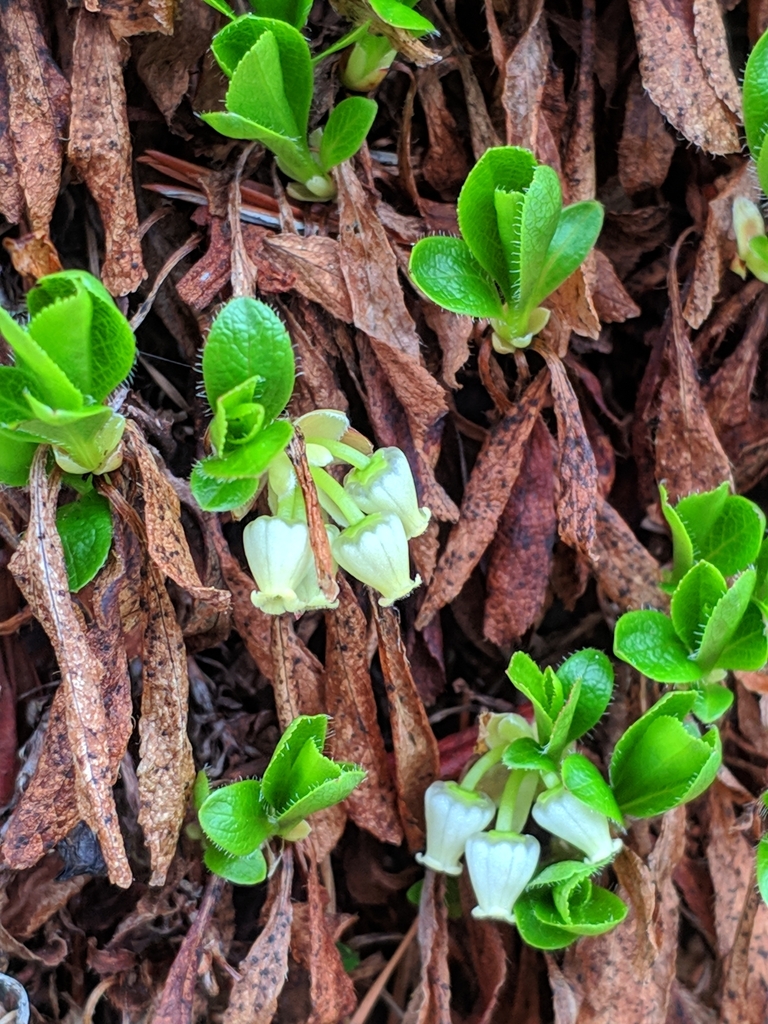
Arctous alpina
- Origin
- North America
- Part used
- See detailed notebook
- Tradition
- Traditional ethnobotany
Beneath the tundra and Arctic rock gardens of North America, a small creeping heather-family plant unfurls its leathery leaves, which turn red in autumn: alpine bearberry, a northern cousin of the better-known Arctostaphylos. The Indigenous peoples of the far North and herbalists of cold regions recognized it by its black berries and evergreen foliage, used according to practices passed down from generation to generation.
Traditional uses
Traditional support for the urinary tract
The leaves of Arctous alpina were traditionally infused or decocted, in the manner of common bearberry, to help with temporary urinary discomfort. This use rests on the presence of arbutin-like compounds, valued in northern traditions.
A mild digestive astringent
As a mild decoction, the foliage was sometimes used for its astringent properties, for minor digestive trouble such as loose stools.
A soothing external use
The crushed leaves or an infused compress traditionally served to cleanse and soothe minor skin irritation or superficial wounds among certain circumpolar peoples.
Berries eaten with caution
The berries, rather bland and often mealy, were sometimes eaten raw or cooked by the Indigenous peoples of the North, generally in small amounts or mixed with other fruits.
Before you use it
Internal use discouraged for pregnant or breastfeeding women, because of arbutin-related compounds and possible effects on the uterus. Do not exceed a one-off, short-term use without the advice of a health professional, because of the risk of kidney or liver irritation at a high dose or with prolonged use. Discouraged for children and people with kidney failure. Seek the advice of a pharmacist or doctor if undergoing treatment, particularly for possible interactions with medications affecting the liver or kidneys.
The detailed notebook
- Prepared as a paste or decoction
- Traditional duration of use
- Known contraindications
- Related species and their uses
Where to find it
Partner herbalists — available with the detailed notebook.
Sources
PFAF