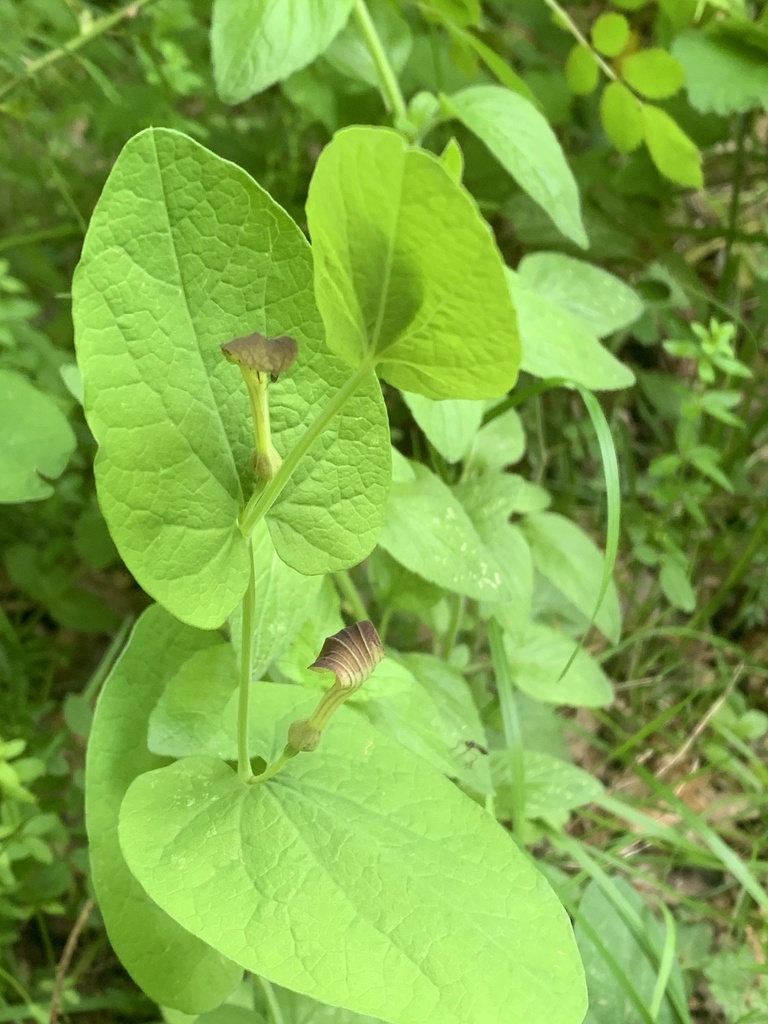
Round-leaved Birthwort
- Origin
- Europe
- Part used
- See detailed notebook
- Tradition
- Traditional ethnobotany
In old herbals of the Mediterranean world, round-leaved birthwort held a place apart, reserved for the expert hands of healers. Its very name, drawn from the Greek "aristos" and "lokheia" — the best birth — betrays an old use tied to childbirth, passed down with particular caution. A plant of legend as much as of pharmacopoeia, it belongs today more to history than to everyday practice.
Traditional uses
Traditional support for childbirth
Old texts report a use of the root to aid delivery and the postpartum period, hence its scholarly name. This historical use is now abandoned due to the plant's known risks.
Application to wounds and ulcers
The crushed root or a poultice was traditionally applied to certain stubborn wounds and bites, in the old folk practices of southern Europe.
Old use against venoms and poisons
Birthwort was once among the plants known as 'antidotes,' used for stings or bites from venomous animals, according to old materia medica treatises.
Folk remedy for fevers and lung ailments
Some herbalists of old credited it with virtues against stubborn fevers and respiratory congestion, a use now fallen out of practice.
Before you use it
A plant containing aristolochic acid, a substance recognized as nephrotoxic and carcinogenic by health authorities; its internal use is formally not recommended. Banned in France from sale and use as a medicinal plant under current regulations. Absolute contraindication during pregnancy and breastfeeding, despite its historical traditional use related to childbirth. Any use, even external, should be discussed with a doctor beforehand; never self-administer this plant.
The detailed notebook
- Prepared as a paste or decoction
- Traditional duration of use
- Known contraindications
- Related species and their uses
Where to find it
Partner herbalists — available with the detailed notebook.
Sources
PFAF