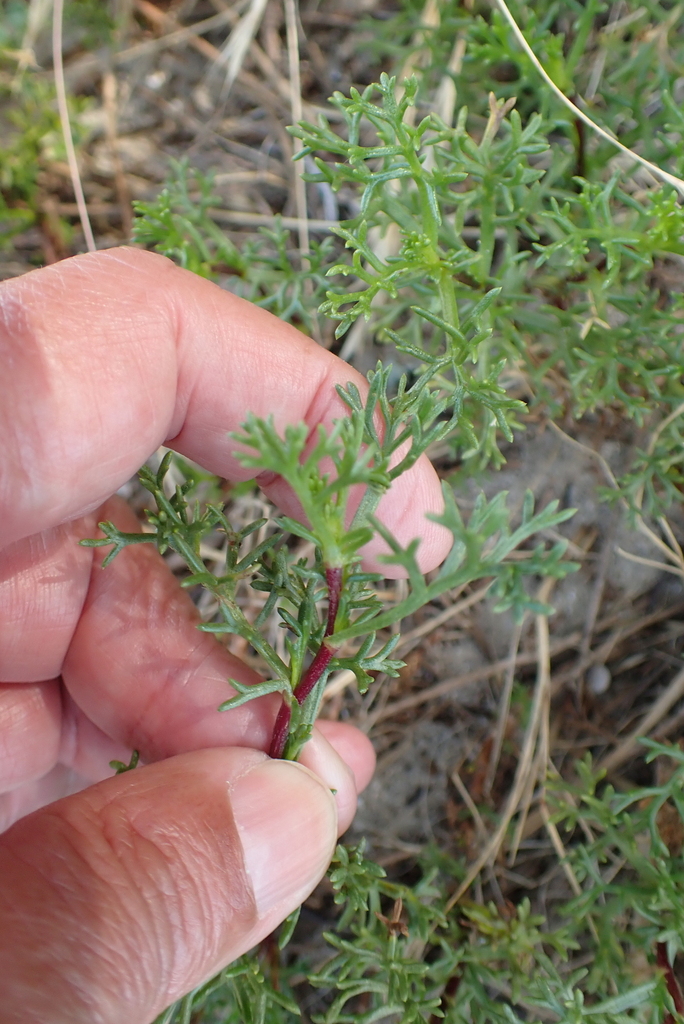
Sea Wormwood
- Origin
- Europe
- Part used
- See detailed notebook
- Tradition
- Traditional ethnobotany
On the shores and salt meadows of Europe, sea wormwood long carried the name "semen-contra," so closely was it tied in apothecary notebooks to the fight against intestinal worms. Its distinctive bitter, camphor-like scent signaled to the ancients a powerful plant, to be handled with discernment rather than consumed without restraint.
Traditional uses
Traditional bitter for digestion
Dried flowering tops were used as a light infusion, a digestive bitter reputed to stimulate the appetite and relieve heaviness after meals.
Historical antiparasitic use
Sea wormwood was long reputed in European folk traditions for its deworming properties, particularly against intestinal worms in people and animals.
Soothing compresses on the skin
As a poultice or compress, crushed leaves were sometimes applied to insect bites or minor skin irritations.
A repellent plant for cupboards
Dried into bundles, it was traditionally placed in wardrobes and attics to keep moths and insects away, in the manner of other wormwoods.
Before you use it
Contains thujone and sesquiterpene lactones; prolonged use or high doses are not recommended without a healthcare professional's advice. Formally contraindicated during pregnancy (emmenagogic/abortive properties traditionally reported) and breastfeeding. To be avoided in young children, or in cases of epilepsy or neurological disorders, due to the presence of thujone. Do not self-administer as a dewormer without medical supervision; consult a professional before any prolonged internal use.
The detailed notebook
- Prepared as a paste or decoction
- Traditional duration of use
- Known contraindications
- Related species and their uses
Where to find it
Partner herbalists — available with the detailed notebook.
Sources
PFAF